

Help for messy handwriting: letter size and lines
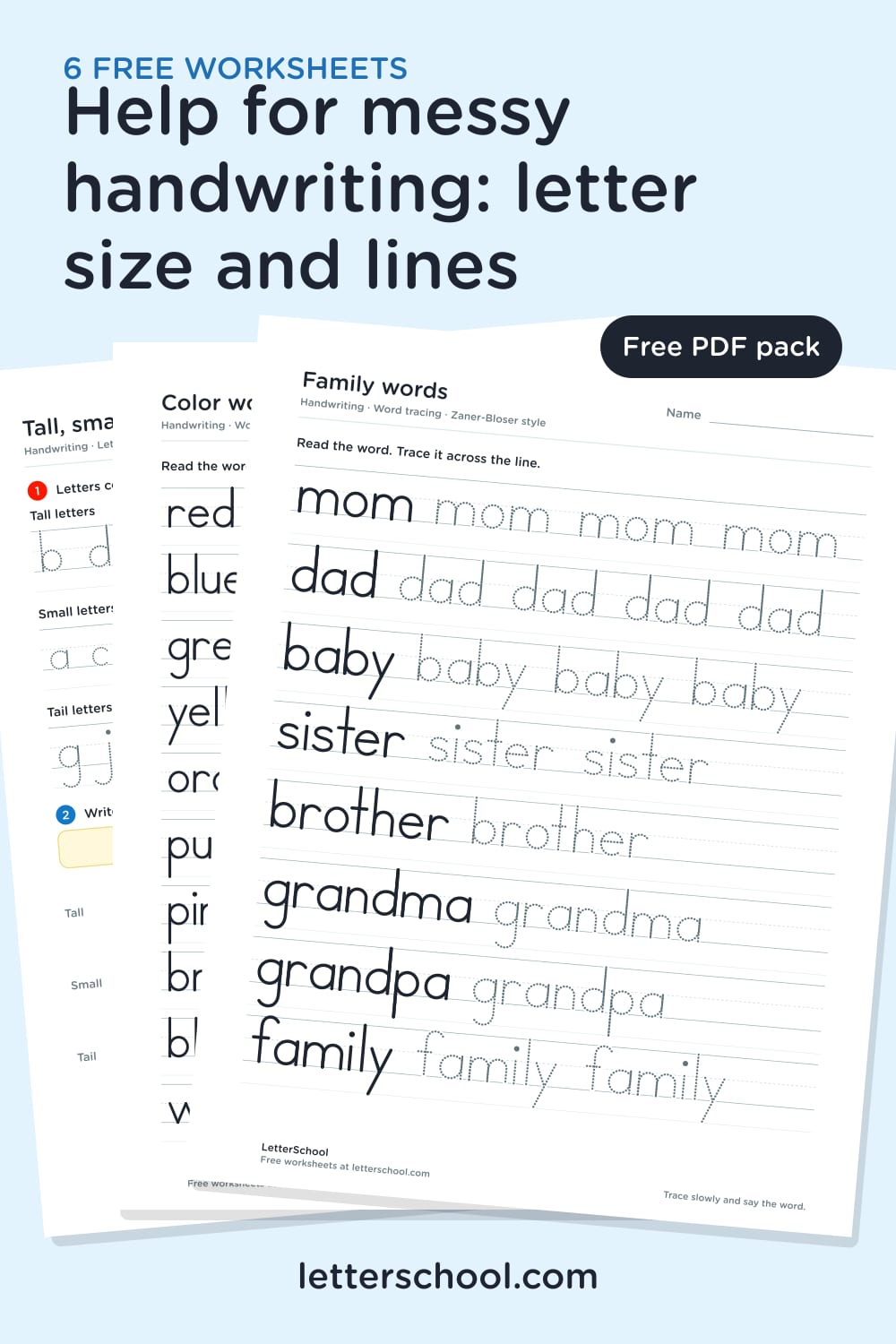
Your child can form the letters, but the writing is hard to read: every letter is the same size, letters float above the line, or the words take up the whole page. The fix is usually not more copying, but understanding the three letter sizes and which lines each one touches.
For: Parents and teachers of children in kindergarten to 2nd grade
A cover page with the plan, then 6 worksheets in order (7 pages). Free, no sign-up.
Free, no sign-up. US Letter size. Download A4 instead · Open to print
 Save to Pinterest
Why it happens
- Children often learn letters one at a time, without comparing their sizes. On a page, the difference between tall and small letters is what makes words readable.
- Guide lines only help if children know what each line is for.
- Writing too big is often a sign the movement is still coming from the shoulder; it gets smaller as fine motor control grows.
What helps
- Teach three sizes: tall letters (b d f h k l t), small letters, and tail letters (g j p q y).
- Name the lines: top line, middle line, bottom line. Small letters stop at the middle line.
- Check one thing at a time: first only “do the tall letters touch the top line?”
- Practise on lines with a dashed middle line before moving to plain lined paper.
The planstep by step.
1Days 1–2: the three sizes
Trace the tall, small and tail letters and sort letters by size.
2Days 3–4: words on the lines
Trace words with all three sizes; check the tall letters and the tails.
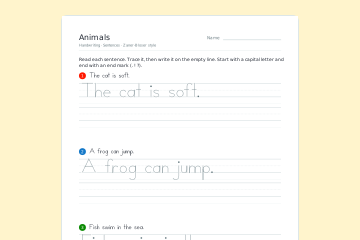
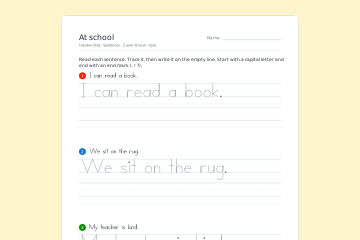
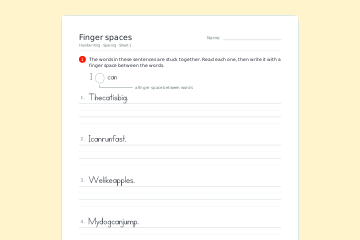
3Days 5–7: sentences
Sentences with spaces and sizes. Check one thing per sentence.
Questions
Questions about letter size and messy handwriting
Still have questions? Visit our Help Center or get in touch.
My child writes very big. Is that a problem?
Should I make my child rewrite messy work?
Related packs
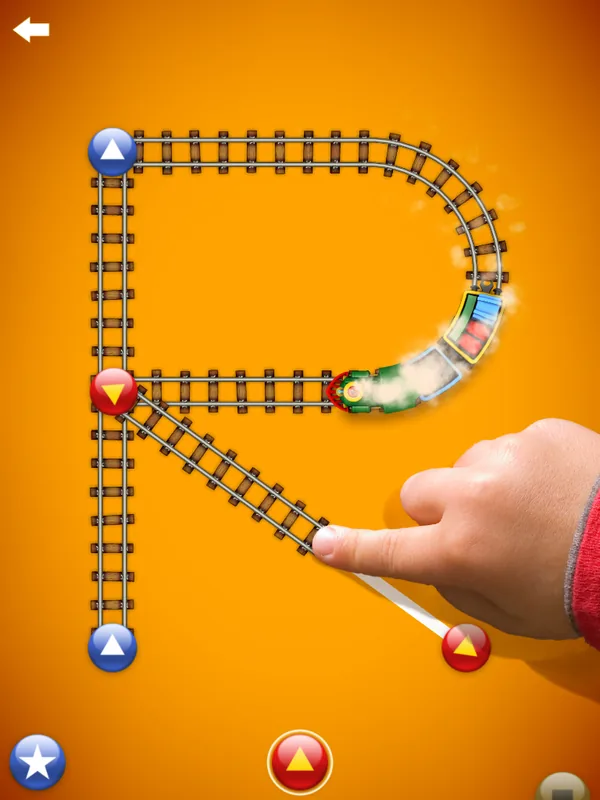
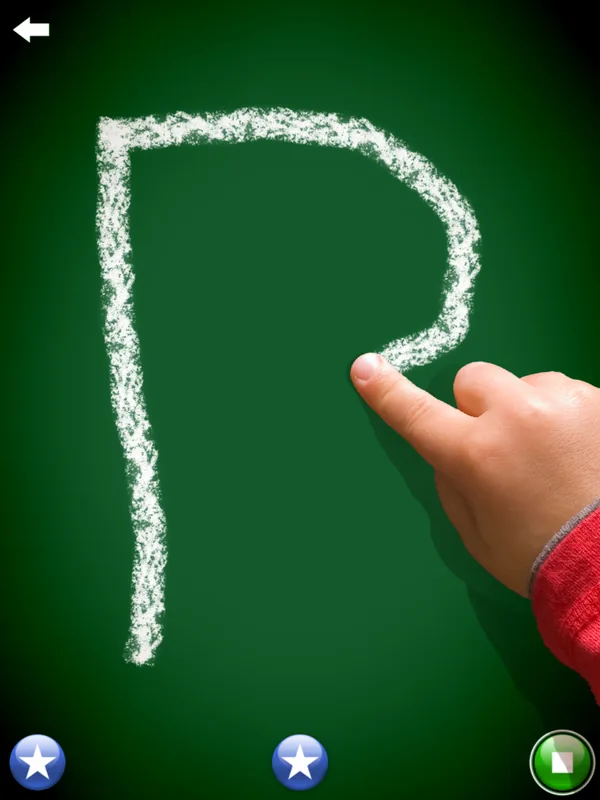
The LetterSchool app
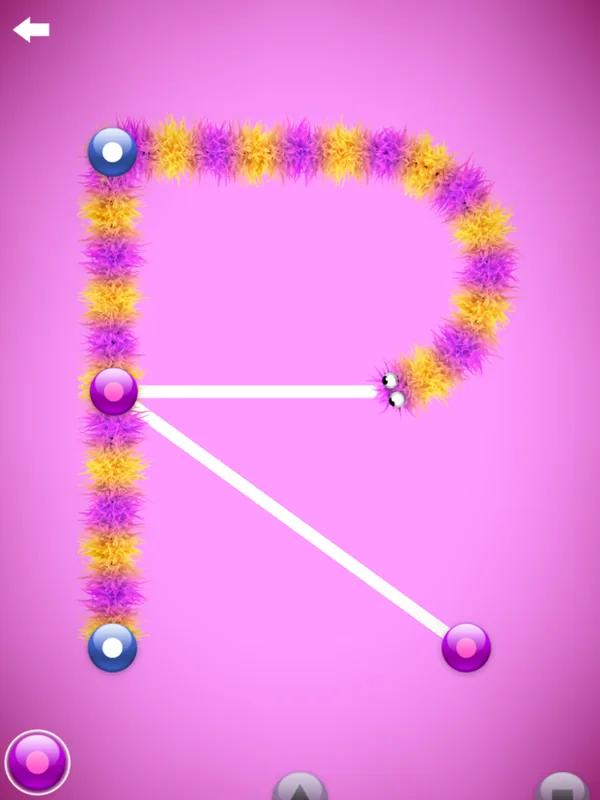
Between worksheets: practise in the app
The same letter shapes as this sheet, with instant feedback on every line, animations and stars. Children play, and learn the right formation.