

Handwriting help for 1st and 2nd graders
Your 1st or 2nd grader writes, but it is slow, messy or hard to read. At this age the cause is usually a few habits: letters started in the wrong place, sizes mixed up and words too close together. Fixing those few habits helps more than lots of copying.
For: Parents, 1st and 2nd grade teachers and occupational therapists
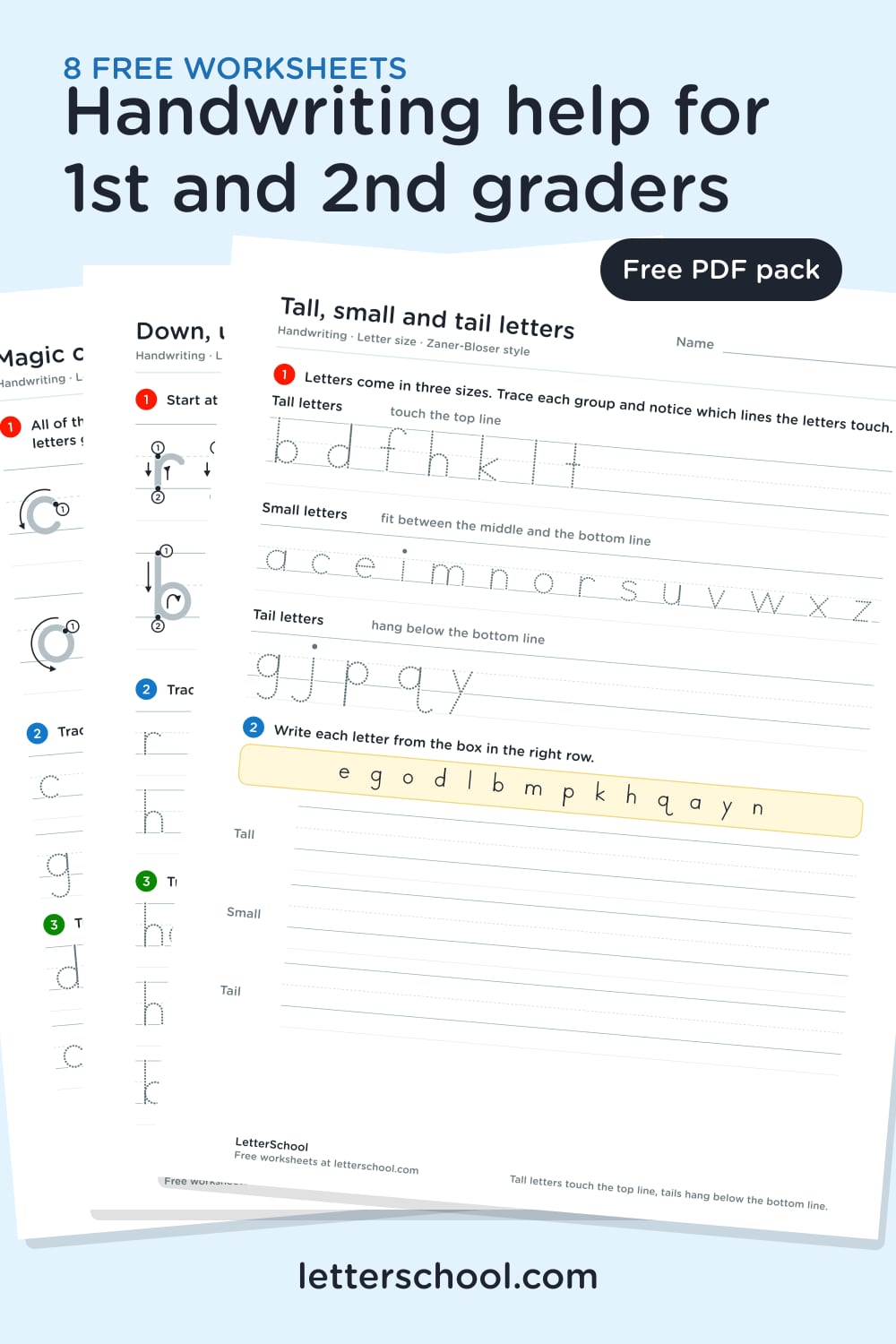
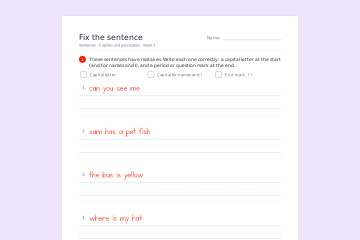
A cover page with the plan, then 8 worksheets in order (9 pages). Free, no sign-up.
Free, no sign-up. US Letter size. Download A4 instead · Open to print
 Save to Pinterest
Why it happens
- Letters that are started at the bottom or drawn in pieces are slower and less neat, and the habit gets stronger with every page written.
- When letter sizes are mixed up, words are hard to recognize.
- Writing faster for longer school work makes these problems more visible.
What helps
- Check the start of the most-used letters: a, d, g, o (start like c) and b, h, m, n, p, r (start at the top).
- Work on one habit at a time, for a week.
- Short copywork of good sentences, rather than long pages.
- Praise what improves; older children often feel bad about their writing.
The planstep by step.
1Week 1: starts and sizes
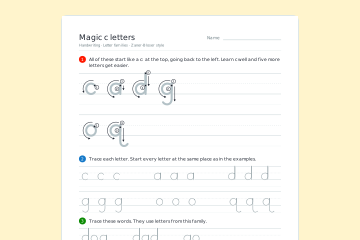
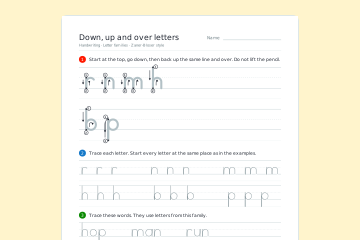
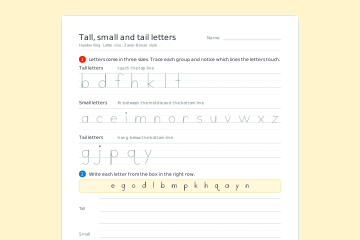
Relearn the start of the magic c and down-up-over letters, then the three sizes.
2Week 2: spacing and copywork
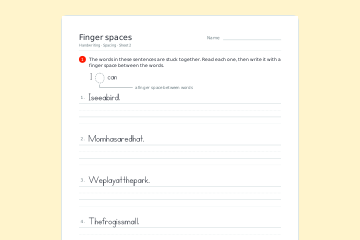
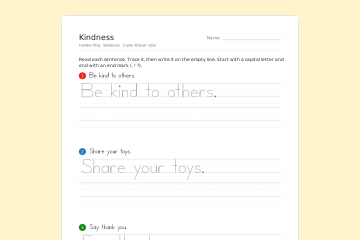
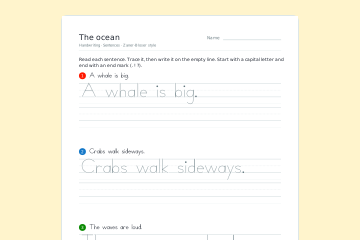
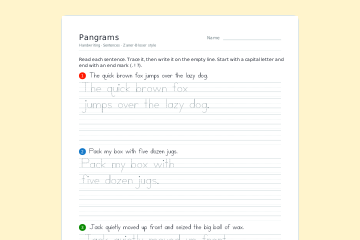
Spaces between words, then short sentences and every letter of the alphabet.
Questions
Questions about handwriting help for older kids
Still have questions? Visit our Help Center or get in touch.
When should I worry about my child’s handwriting?
Should an older child switch to cursive?
Related packs
The LetterSchool app
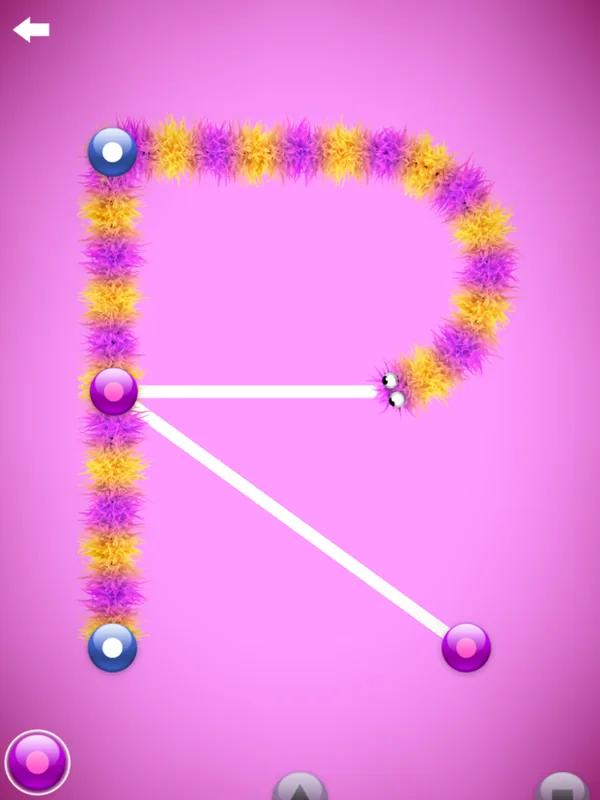
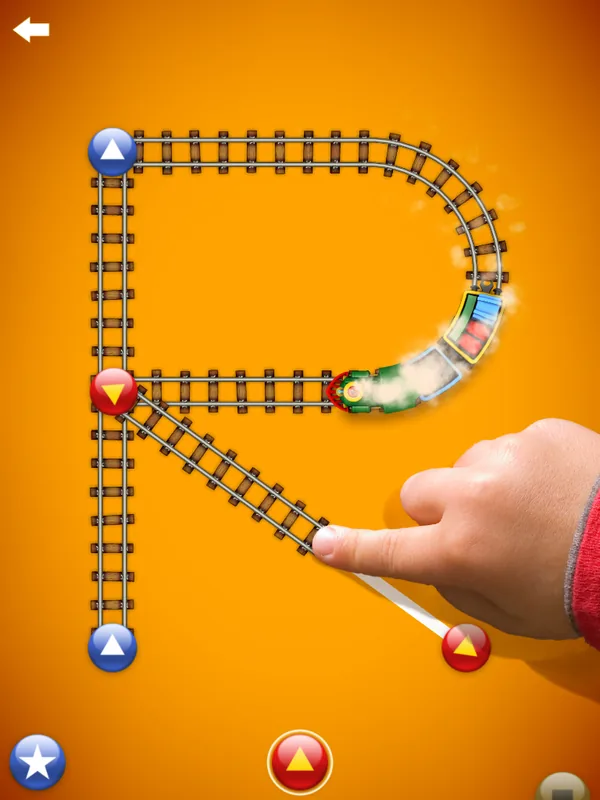
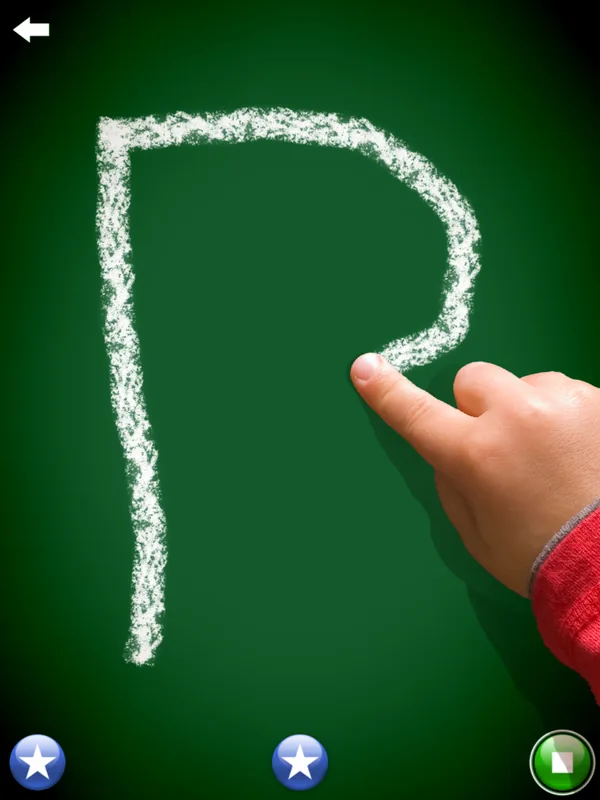
Between worksheets: practise in the app
The same letter shapes as this sheet, with instant feedback on every line, animations and stars. Children play, and learn the right formation.