

Knows the sounds but can’t blend them into words
Your child can say c, a and t, but then guesses “cup” or “car” instead of reading cat. Blending sounds into a word is a separate skill from knowing the sounds, and it needs its own practice.
For: Kindergarten and 1st grade teachers and parents
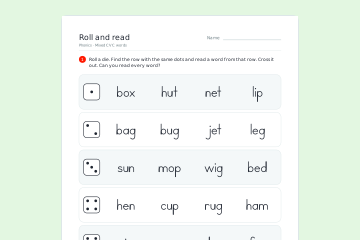
A cover page with the plan, then 12 worksheets in order (13 pages). Free, no sign-up.
Free, no sign-up. US Letter size. Download A4 instead · Open to print
 Save to Pinterest
Why it happens
- Sounds said slowly with a break between them (“kuh – a – tuh”) do not sound like a word anymore. Children need to keep the sounds connected.
- Holding three sounds in mind while blending takes working memory; with practice it becomes automatic.
- Guessing from the first letter or from a picture works for a while and then gets in the way.
What helps
- Stretch sounds instead of chopping them: “mmmaaannn”, not “muh-a-nuh”. Start with sounds you can hold: m, s, f, n, l.
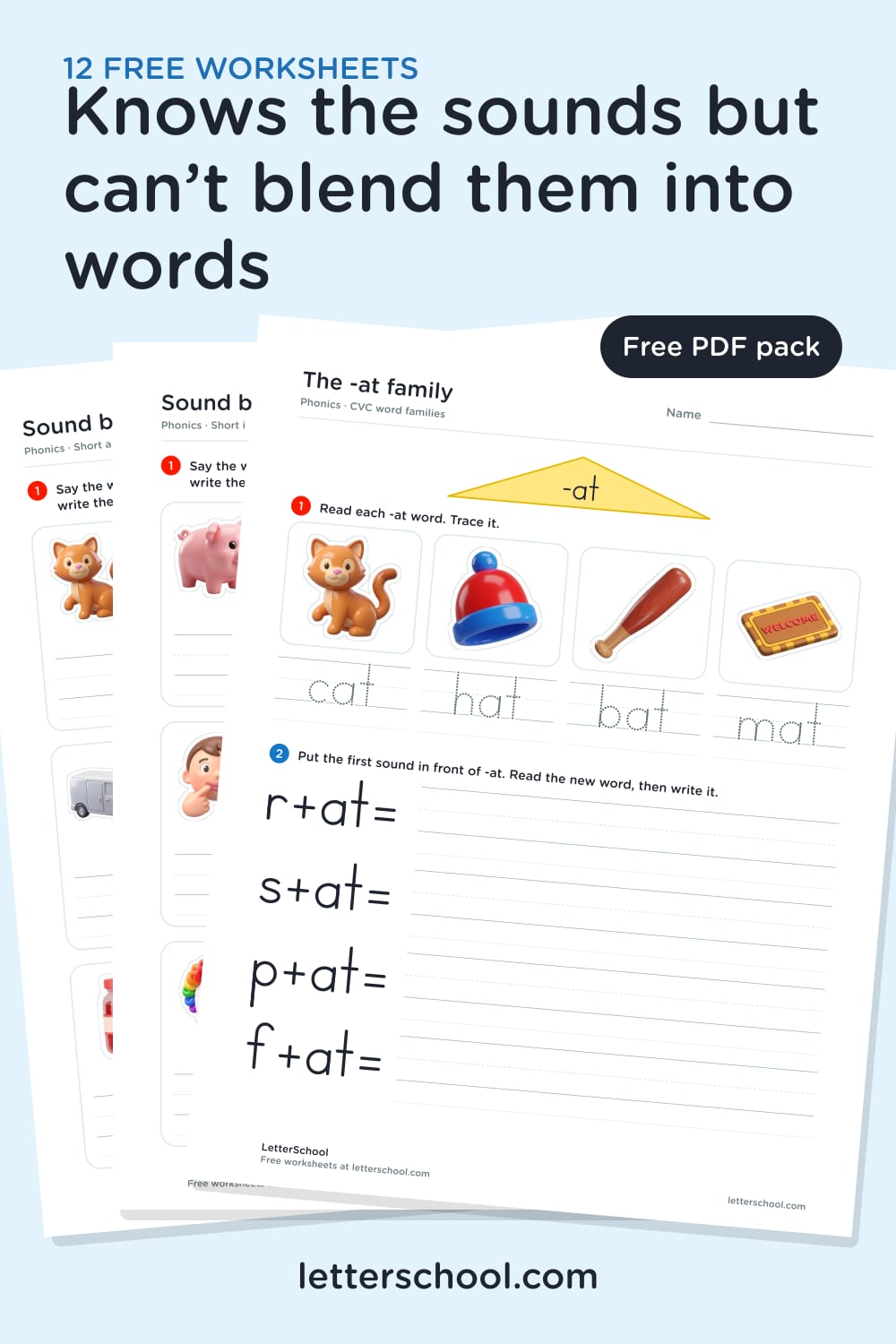
- Use word families: if you can read “at”, then cat, hat and mat need only one new sound.
- Point under each letter, then sweep your finger under the whole word while saying it.
- Read decodable text: only sounds the child knows, so blending always works and guessing is not needed.
The planstep by step.
1Week 1: hear the sounds
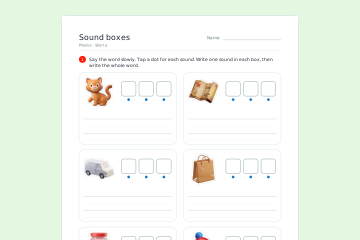
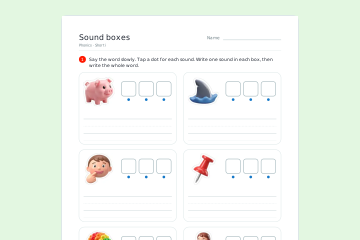
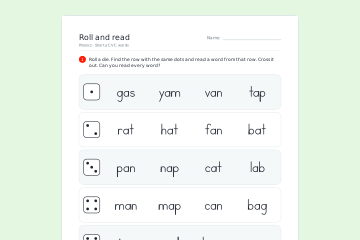
Sound boxes: say a word slowly, one sound per box. This is blending in reverse.
2Week 2: word families
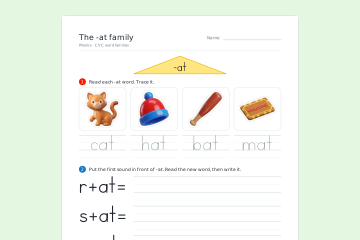
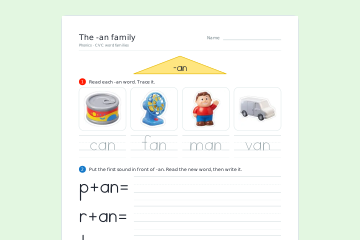
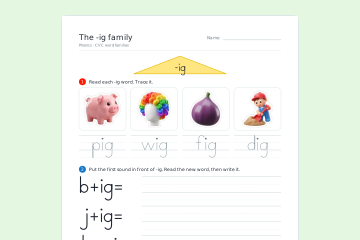
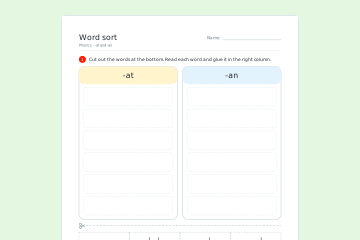
One chunk, many words: -at, -an and -ig.
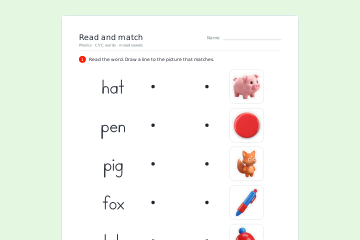
3Week 3: read and match
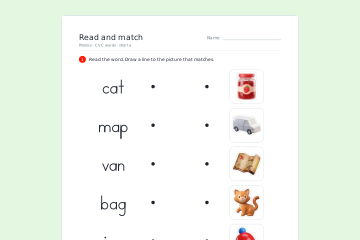
Read the word, find the picture. No guessing: check every letter.
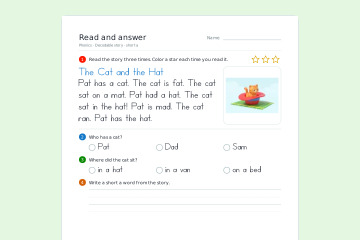
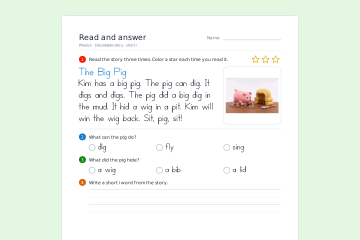
4Week 4: first stories
Short stories with only short a and short i words.
Questions
Questions about blending cvc words
Still have questions? Visit our Help Center or get in touch.
My child says the sounds but a different word comes out. What do I do?
Should children use the pictures to guess words?
Related packs

The LetterSchool app
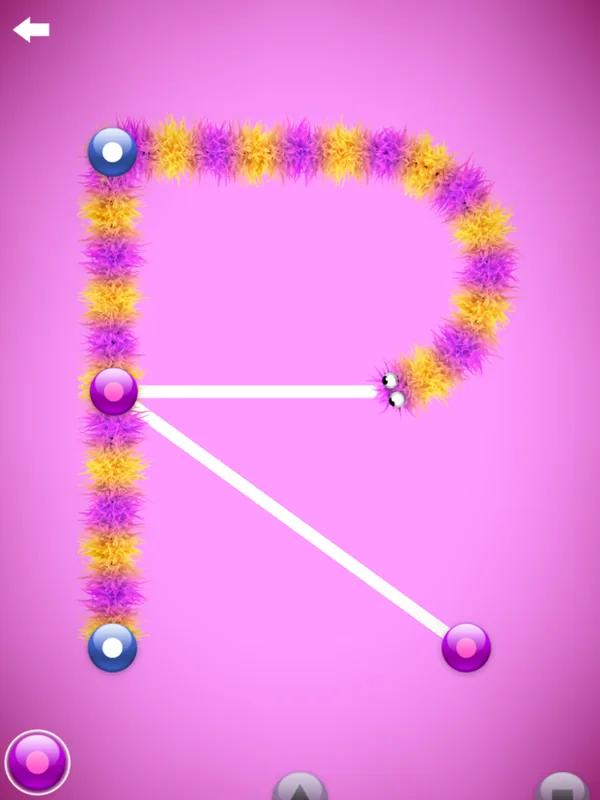
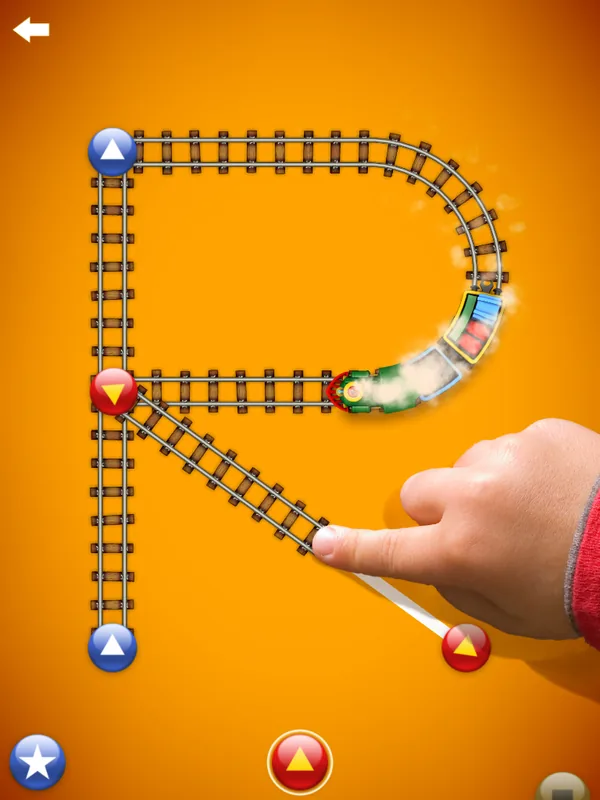
Between worksheets: practise in the app
The same letter shapes as this sheet, with instant feedback on every line, animations and stars. Children play, and learn the right formation.