

Capital letters in the middle of words
Your child writes words like “BaBy” or “doG”. Many children learn capitals first, from their name and from signs, and keep using them for letters whose lowercase they are less sure of.
For: Parents, teachers and therapists of children aged 4 to 8
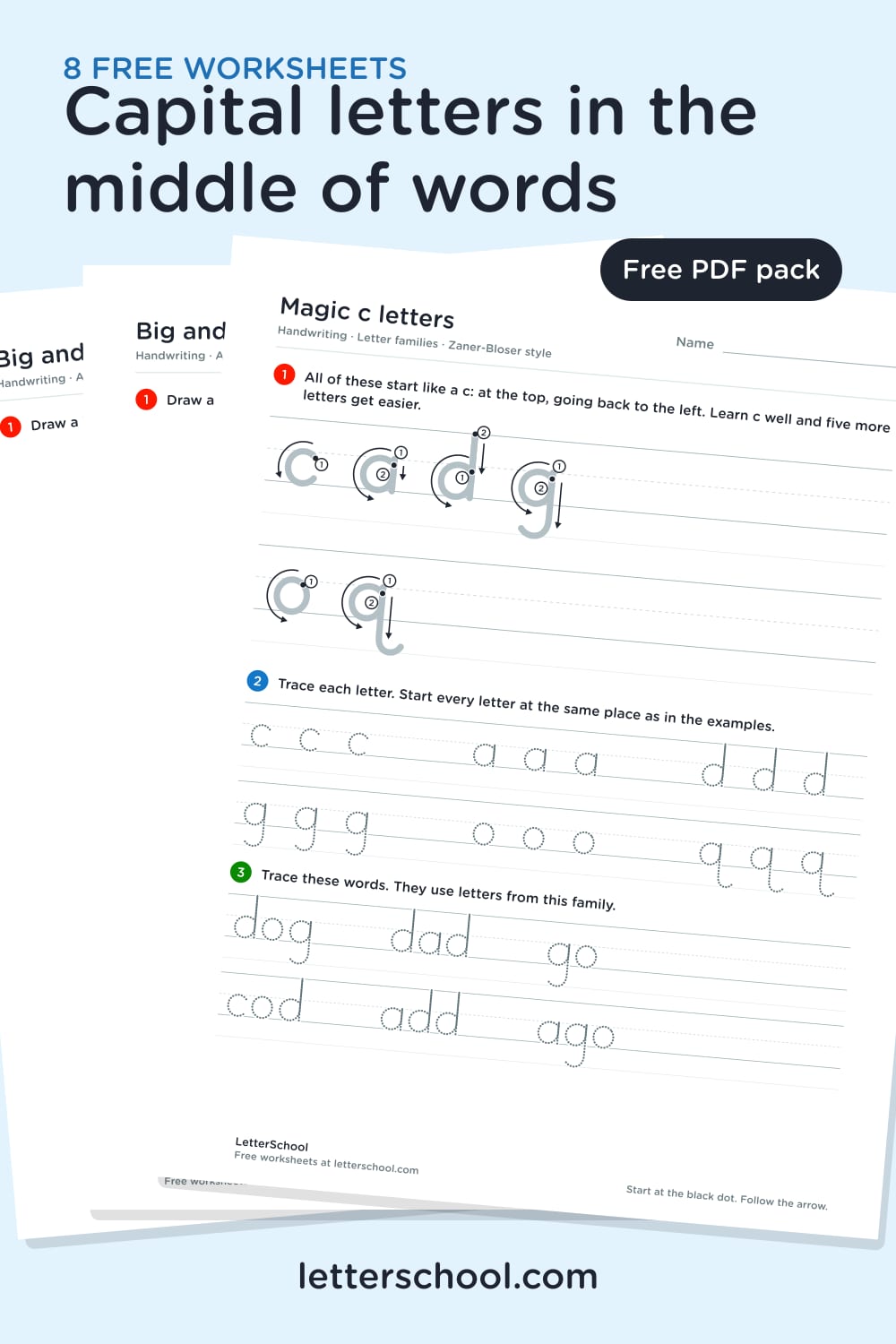
A cover page with the plan, then 8 worksheets in order (9 pages). Free, no sign-up.
Free, no sign-up. US Letter size. Download A4 instead · Open to print
 Save to Pinterest
Why it happens
- Capitals are easier to form: mostly straight lines, all the same height.
- Some lowercase letters look very different from their capital (b, d, g, q, e, a), so children fall back on the capital.
- b and d are often written as capitals to avoid mixing them up.
What helps
- Teach that capitals are only for the start of names and sentences.
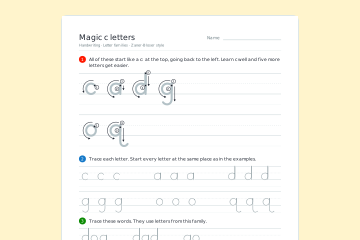
- Practise the lowercase letters your child replaces most.
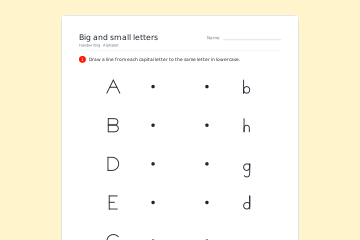
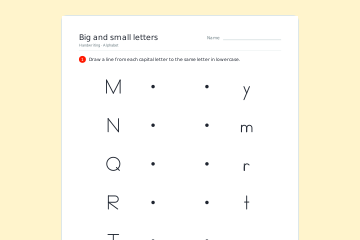
- Match capitals to lowercase letters.
- Praise words written with all lowercase letters.
The planstep by step.
1Match them
Capital and lowercase pairs.
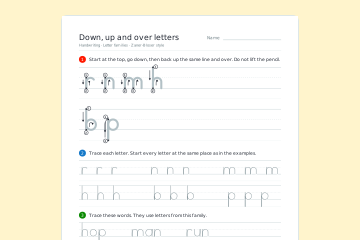
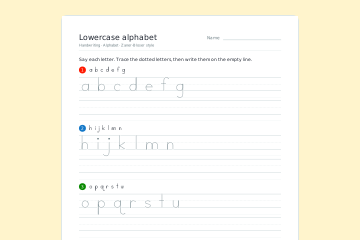
2The lowercase letters
Lowercase letter families.
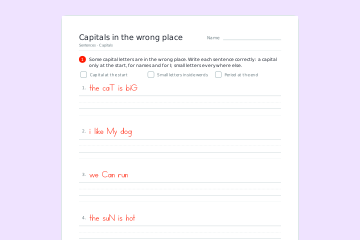
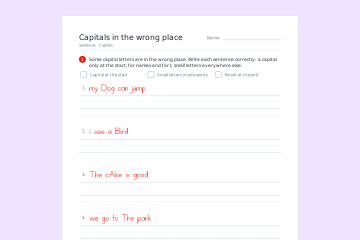
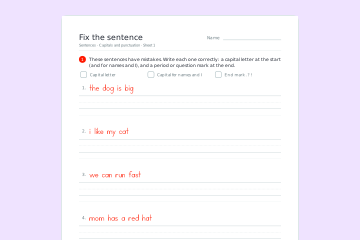
3Spot and fix
Find the capitals in the wrong place.
When to ask for help
Ask the teacher if capitals are still mixed into most words in 2nd grade, especially together with slow or effortful writing.
These worksheets are practice materials, not a diagnosis or a treatment. Every child develops at their own pace. If you are worried, talk to your child’s teacher, doctor or a specialist.
Questions
Questions about capitals mixed in
Still have questions? Visit our Help Center or get in touch.
Should preschoolers learn capitals or lowercase first?
Related packs
Sources
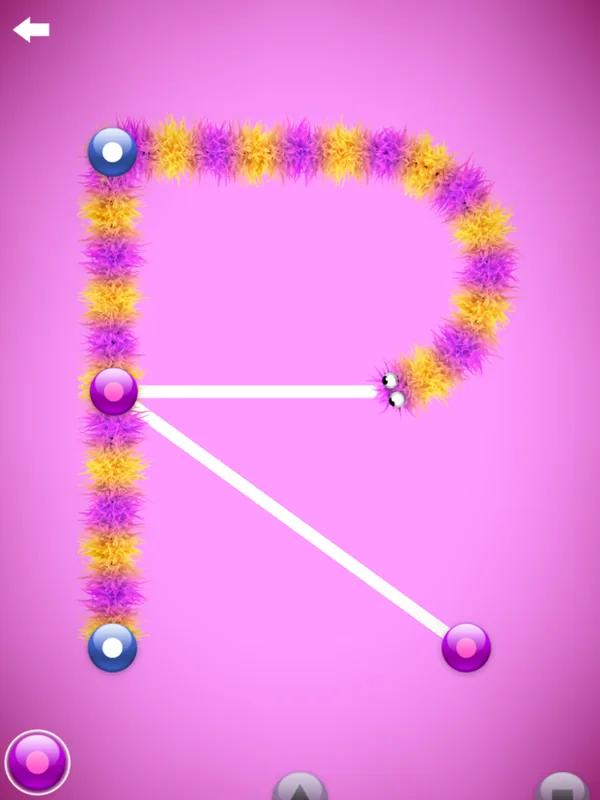
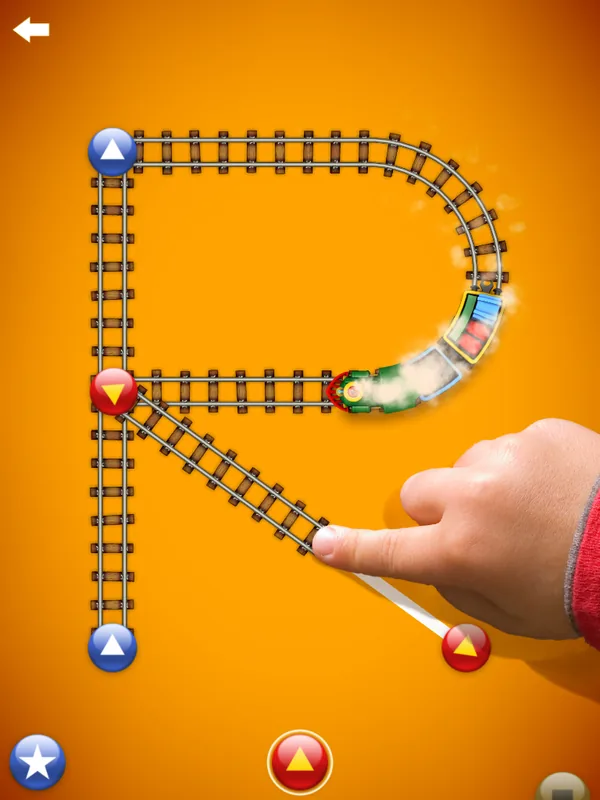
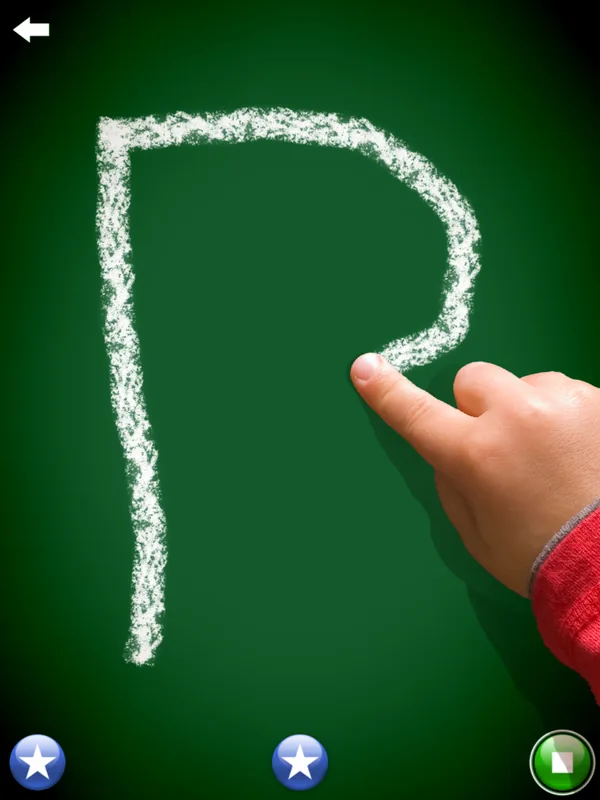
The LetterSchool app
Between worksheets: practise in the app
The same letter shapes as this sheet, with instant feedback on every line, animations and stars. Children play, and learn the right formation.