

Cerebral palsy: making reading and writing accessible
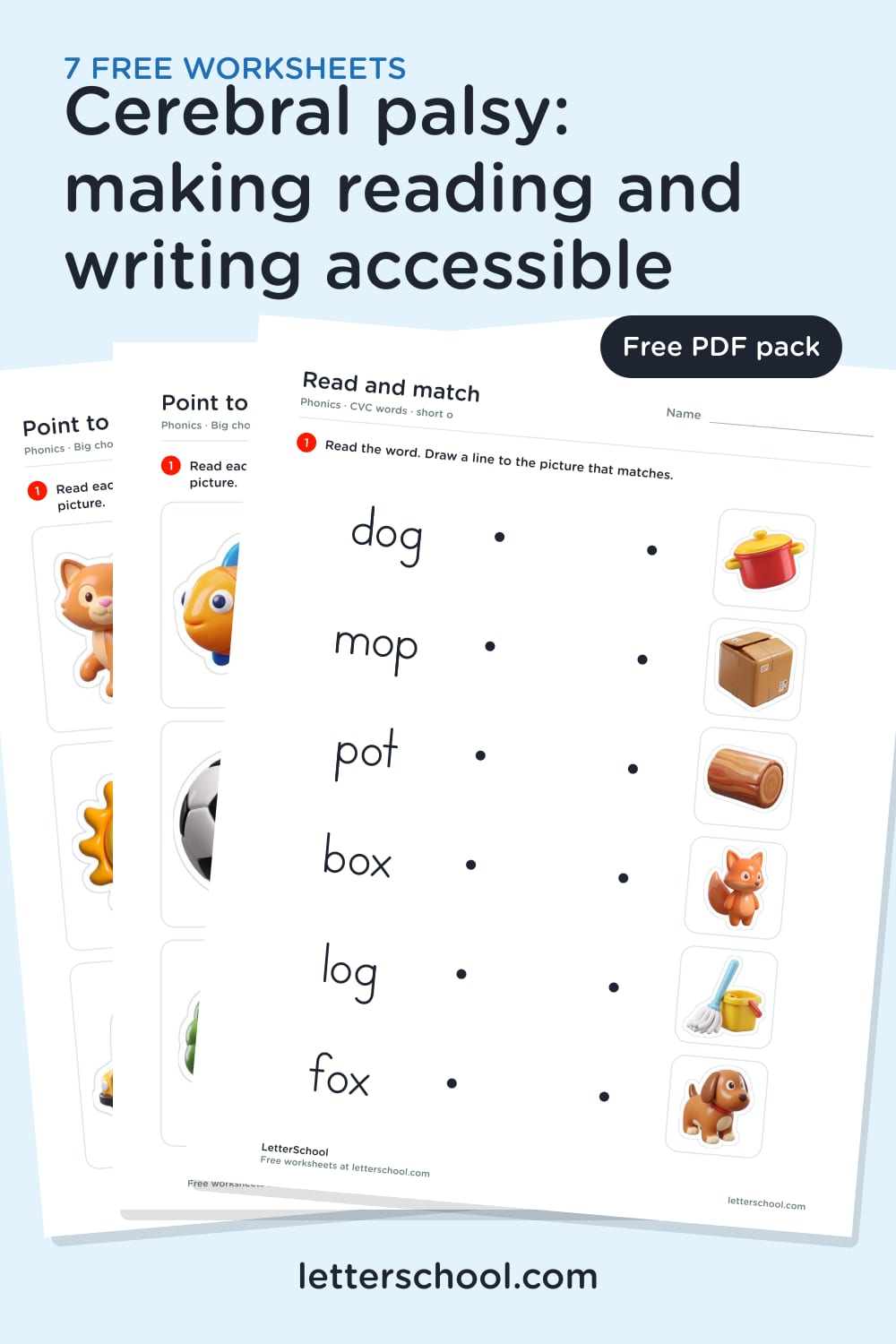
Cerebral palsy affects movement and posture, and each child is different. Some children write with a pencil; others point, use switches, eye gaze or a keyboard. Reading and writing are about language and ideas, and every child can take part.
For: Parents, teachers and therapists of children aged 4 to 8
A cover page with the plan, then 7 worksheets in order (8 pages). Free, no sign-up.
Free, no sign-up. US Letter size. Download A4 instead · Open to print
 Save to Pinterest
Why it happens
- Hand control and posture can make handwriting slow or impossible.
- Some children also have vision, speech or learning differences.
- Writing is about composing; the tool can be adapted.
What helps
- Find the best position and tools with an OT.
- Use pointing, choosing and typing as well as handwriting.
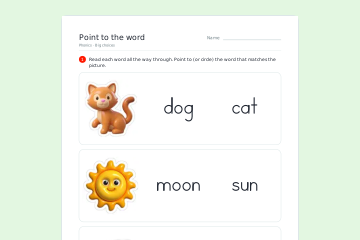
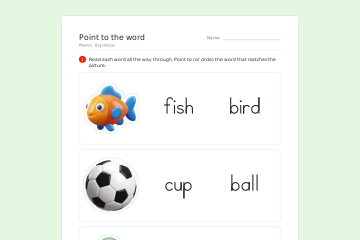
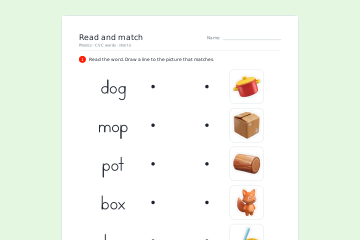
- Big, clear targets on the page.
- Focus on ideas and reading, not only on neat letters.
The planstep by step.
1Choose and point
Big choices to point at.
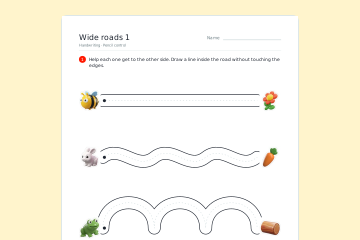
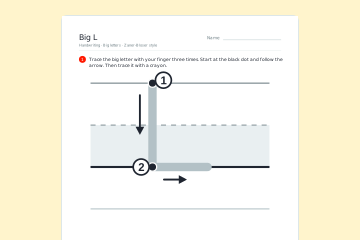
2Big movements
Wide paths and big letters.
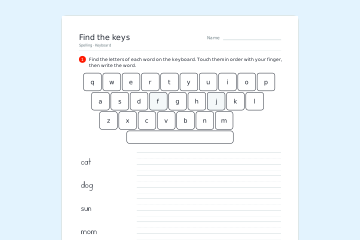
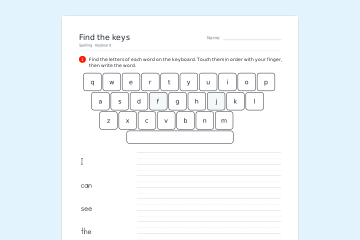
3Keyboard
Find letters on a keyboard.
When to ask for help
Work with your child’s team (an occupational therapist (OT), a speech and language therapist (speech-language pathologist), physiotherapist and school) on positioning, tools and communication.
These worksheets are practice materials, not a diagnosis or a treatment. Every child develops at their own pace. If you are worried, talk to your child’s teacher, doctor or a specialist.
What if my child cannot hold a pencil?
Related packs
Sources
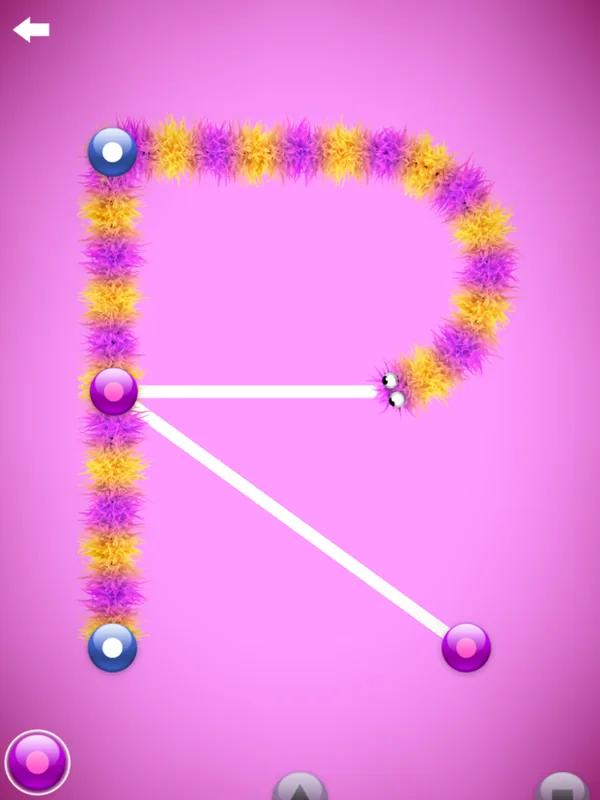
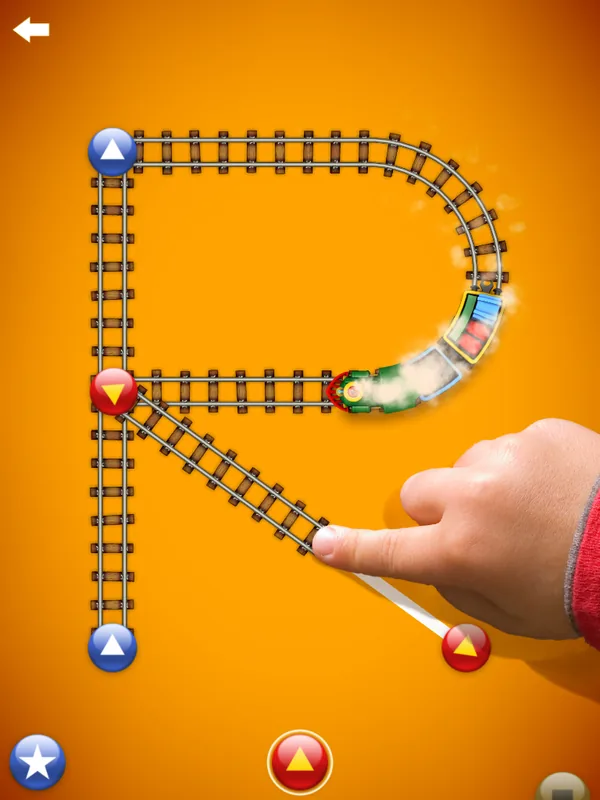
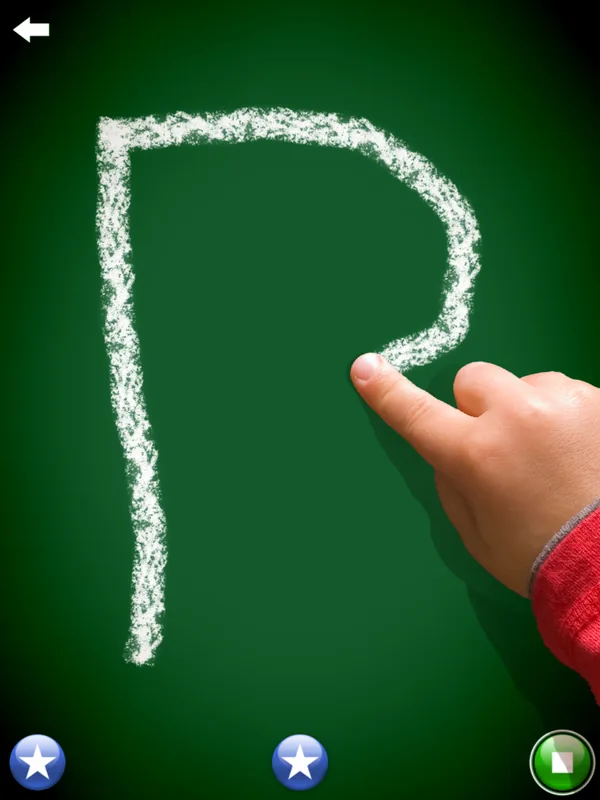
The LetterSchool app
Between worksheets: practise in the app
The same letter shapes as this sheet, with instant feedback on every line, animations and stars. Children play, and learn the right formation.