

Low vision and CVI: making worksheets easier to see
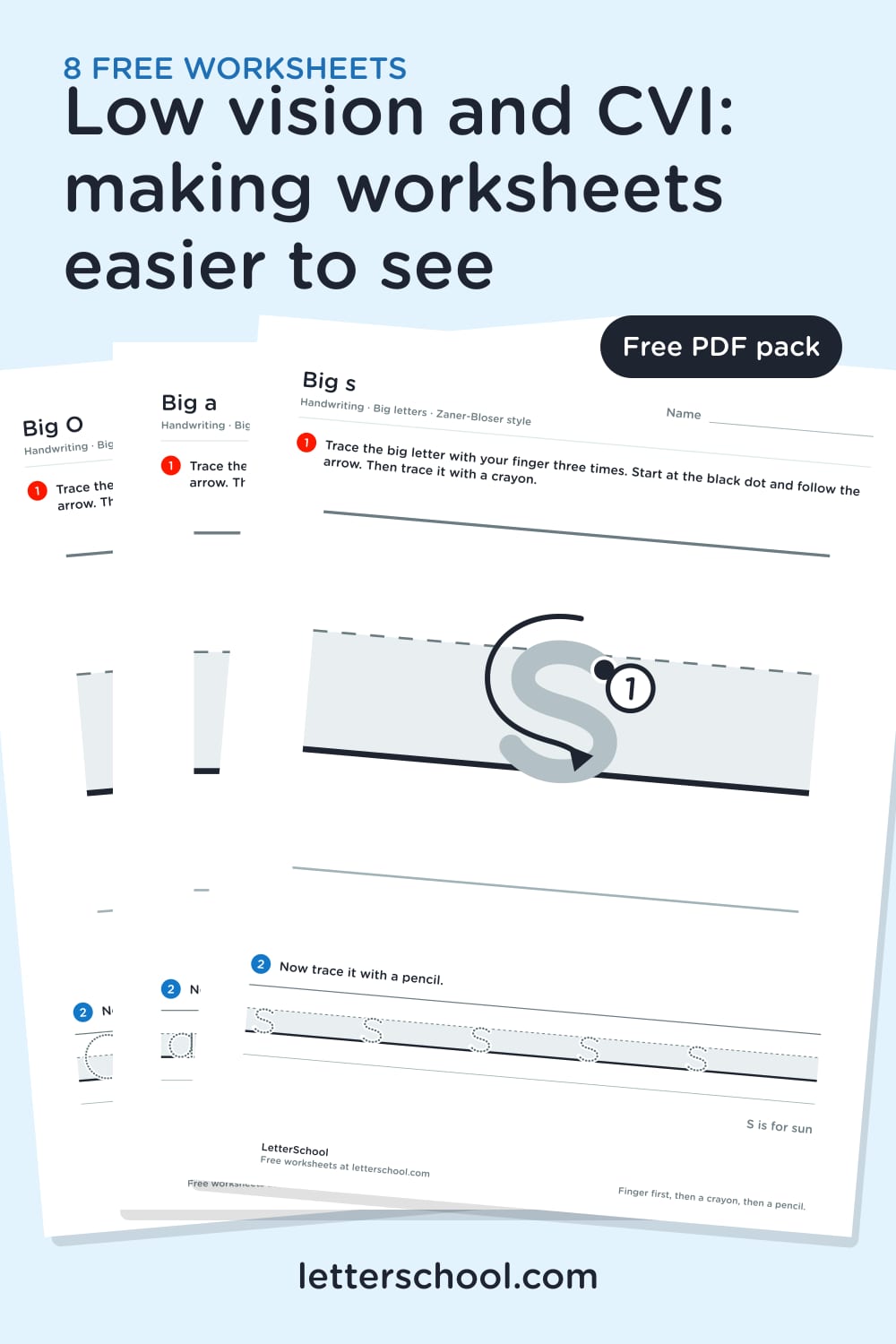
Your child has low vision or cerebral visual impairment (CVI). Busy pages, thin lines and small print are hard to see. Clear, uncluttered pages with high contrast make letters and words more accessible.
For: Parents, teachers and therapists of children aged 4 to 8
A cover page with the plan, then 8 worksheets in order (9 pages). Free, no sign-up.
Free, no sign-up. US Letter size. Download A4 instead · Open to print
 Save to Pinterest
Why it happens
- With CVI the eyes may be fine, but the brain has trouble processing what is seen, especially in clutter.
- Thin, light lines disappear; bold, dark lines are easier.
- Every child’s vision is different, so adaptations should be individual.
What helps
- One thing per page, with lots of white space.
- Black on white, thick lines.
- Big letters and pictures.
- Good lighting; a slanted board to bring the page closer.
- Work with a teacher of the visually impaired.
The planstep by step.
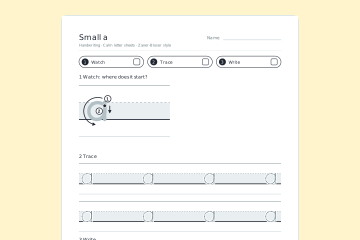
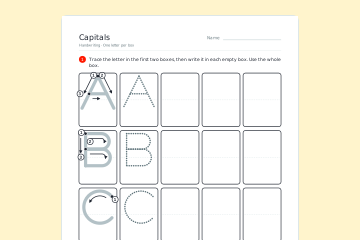
1Big and bold
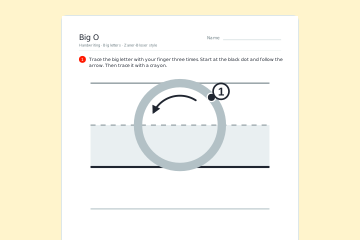
Big letters with thick lines.
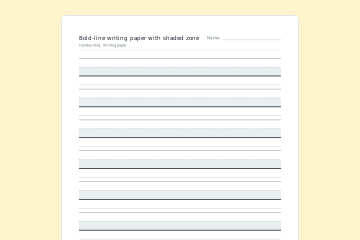
2Uncluttered
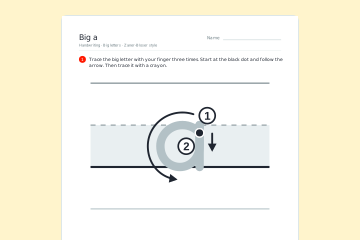
Calm pages and bold lines.
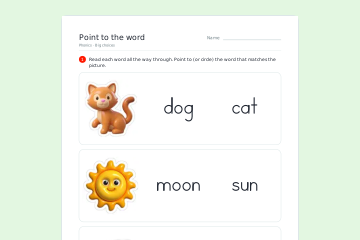
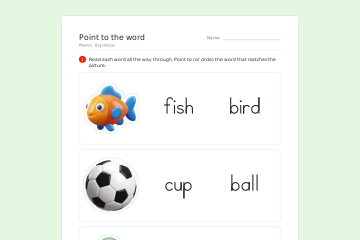
3Big choices
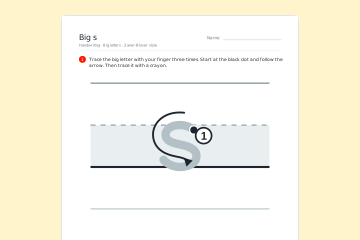
Few, big items to read.
When to ask for help
Ask for an eye exam and a functional vision assessment, and support from a qualified teacher of the visually impaired.
These worksheets are practice materials, not a diagnosis or a treatment. Every child develops at their own pace. If you are worried, talk to your child’s teacher, doctor or a specialist.
Questions
Questions about low vision and cvi
Still have questions? Visit our Help Center or get in touch.
Can I enlarge these worksheets?
Related packs
Sources
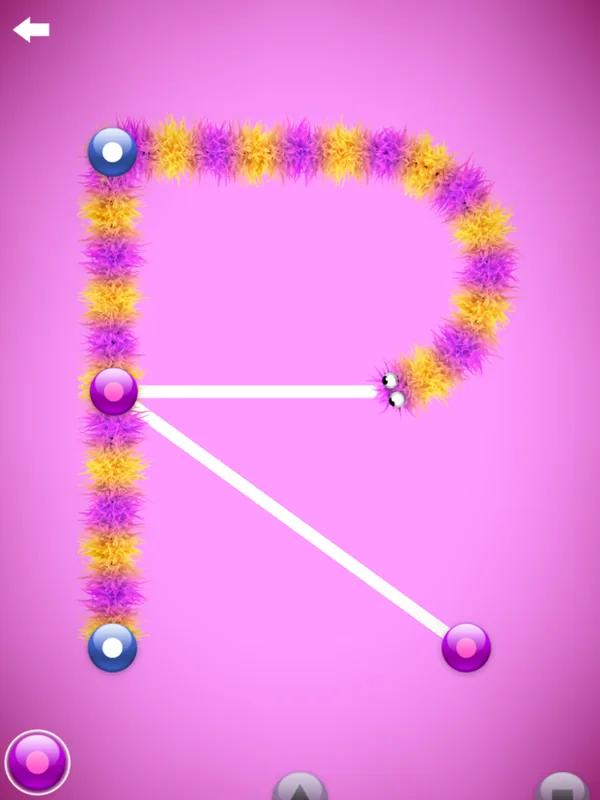

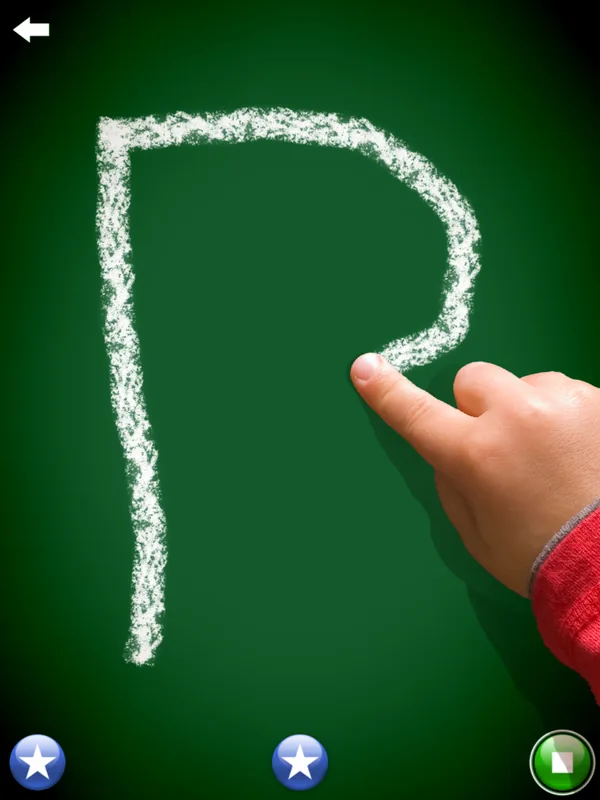
The LetterSchool app
Between worksheets: practise in the app
The same letter shapes as this sheet, with instant feedback on every line, animations and stars. Children play, and learn the right formation.