

Can trace, but won’t write on their own
Your child traces beautifully but freezes at an empty line. Writing your own sentence asks for many things at once: an idea, the words, the spelling and the letters. Children need small steps between tracing and writing alone.
For: Kindergarten and 1st grade teachers and parents
A cover page with the plan, then 10 worksheets in order (11 pages). Free, no sign-up.
Free, no sign-up. US Letter size. Download A4 instead · Open to print
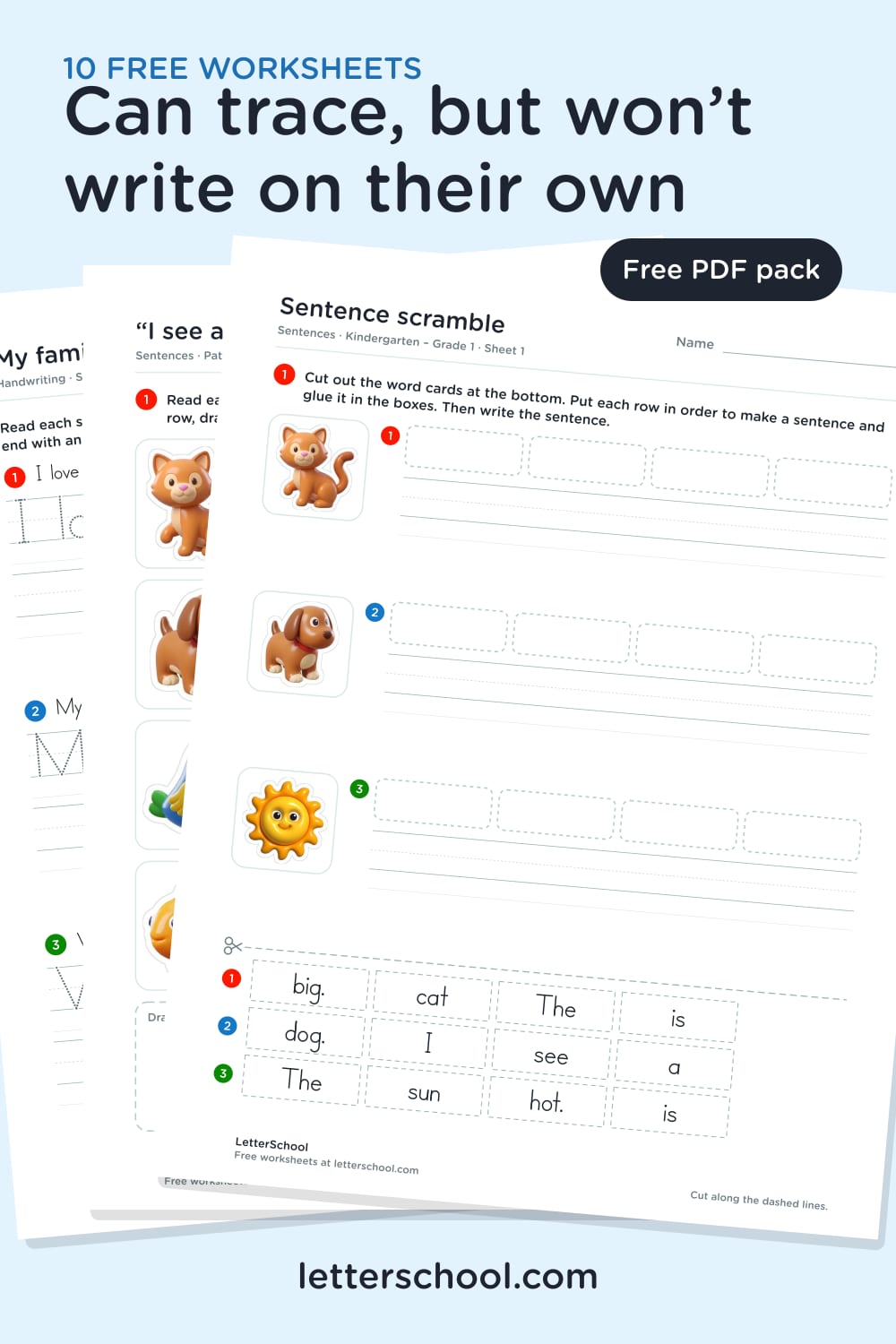 Save to Pinterest
Why it happens
- Tracing only asks for the movement. Writing alone also asks for the idea, the order of the words and the spelling.
- An empty line gives no help; many children would rather not start than make a mistake.
- Steps in between (copying, building from word cards, finishing a sentence) remove one difficulty at a time.
What helps
- Go step by step: trace, copy, build from word cards, finish a sentence starter, write a sentence about a picture.
- Say the sentence out loud first and count the words on your fingers.
- Give a starter (“I like…”) so the hardest part, beginning, is done.
- Accept sound spelling at first (“I lik mi dog”): the goal is writing, not perfect spelling.
The planstep by step.
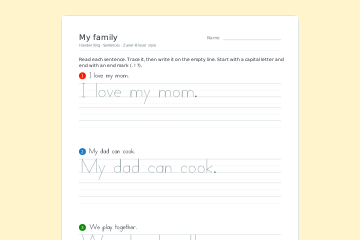
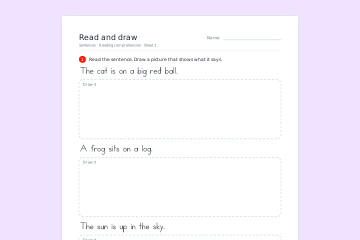
1Step 1: trace and copy
Read the sentence, trace it, then copy it on the empty line.
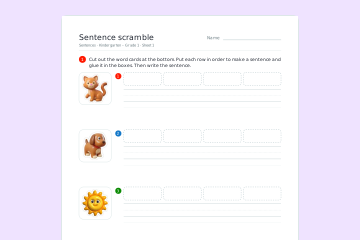
2Step 2: build
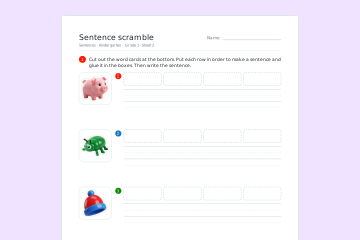
Put word cards in order to make a sentence, then write it.
3Step 3: fix and finish
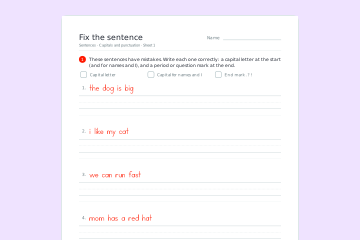
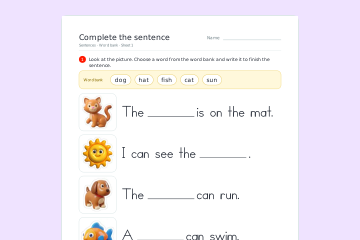
Fix capital letters and periods; finish sentences with a word from the word bank.
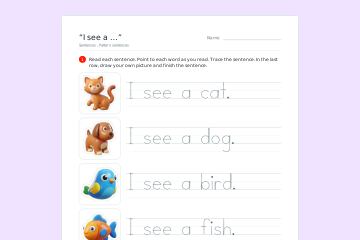
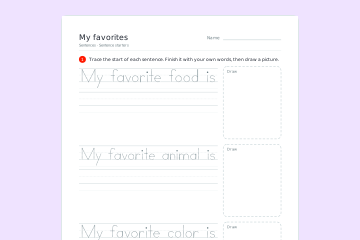
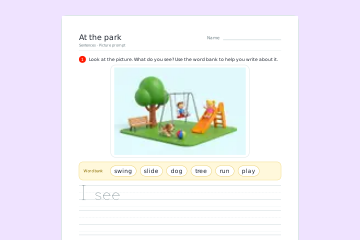
4Step 4: write your own
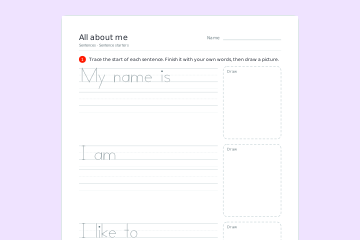
Finish sentence starters about yourself, then write about a picture.
Questions
Questions about from tracing to writing sentences
Still have questions? Visit our Help Center or get in touch.
Should I correct spelling in my child’s first sentences?
How long should a first sentence be?
Related packs
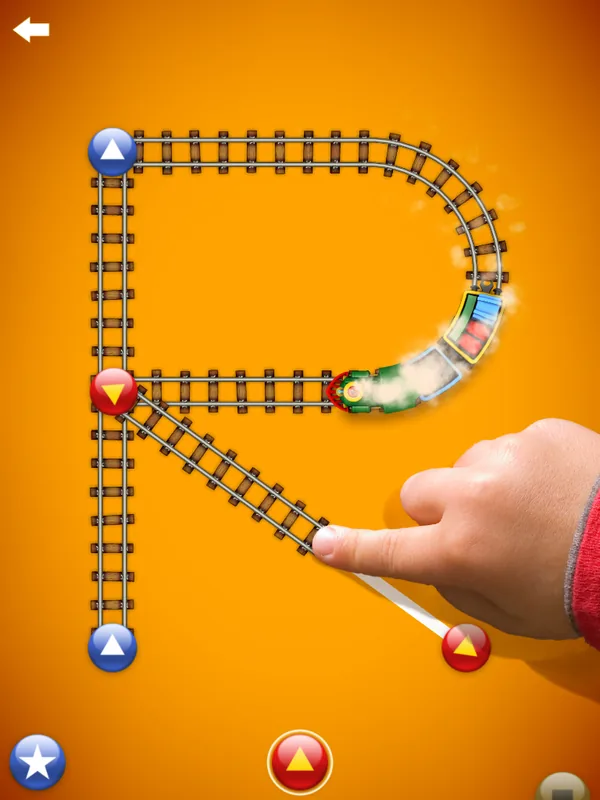
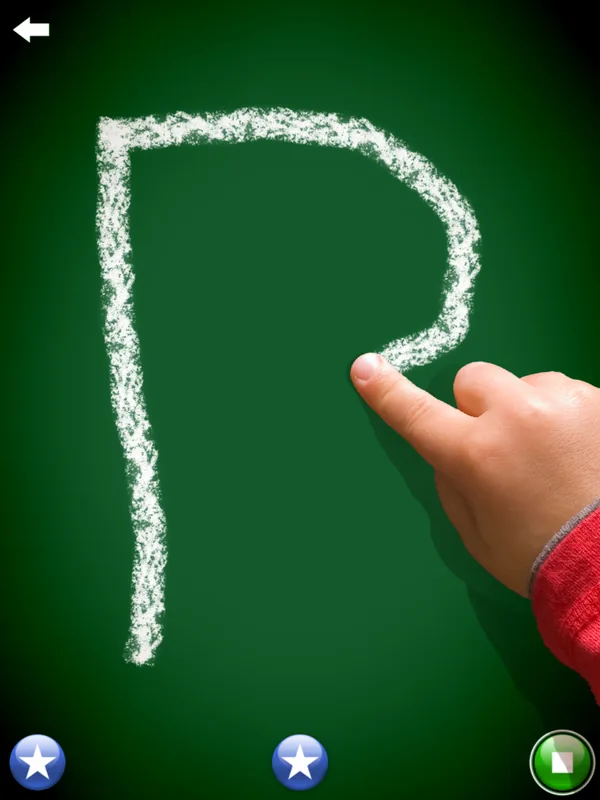
The LetterSchool app
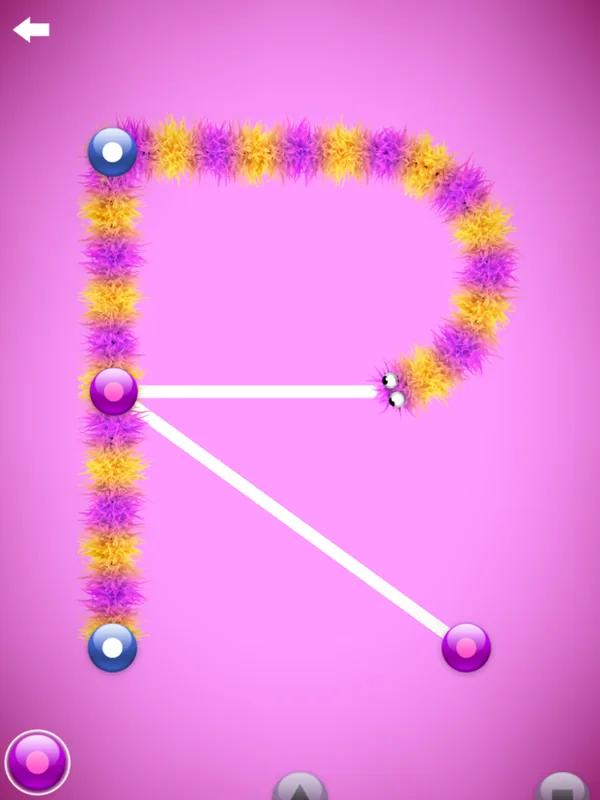
Between worksheets: practise in the app
The same letter shapes as this sheet, with instant feedback on every line, animations and stars. Children play, and learn the right formation.