

From sound spelling to correct spelling
Your child writes “I lik my dog” or “wen we went to the prk”. Writing by sound is a good stage: research shows children who sound-spell in kindergarten often read and spell better later. The next step is learning the patterns.
For: Parents, teachers and therapists of children aged 4 to 8
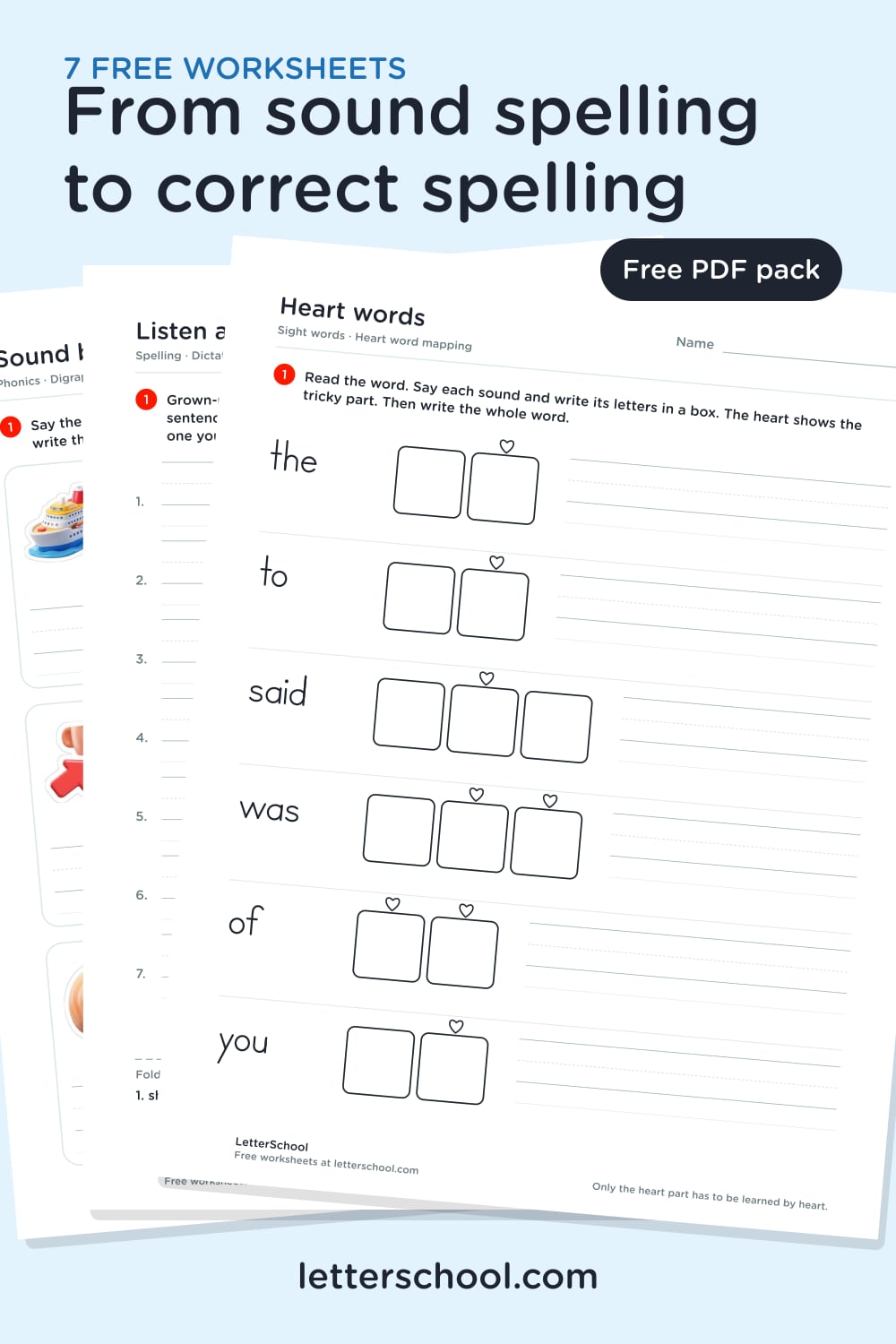
A cover page with the plan, then 7 worksheets in order (8 pages). Free, no sign-up.
Free, no sign-up. US Letter size. Download A4 instead · Open to print
 Save to Pinterest
Why it happens
- Sound spelling shows your child hears the sounds in words.
- English spelling has patterns (like magic e and vowel teams) that have to be taught.
- Some words have a tricky part that must be learned by heart.
What helps
- Praise the sounds your child got right.
- Teach one pattern at a time and practise it in reading and spelling.
- Map tricky words: mark only the unusual part.
- Use dictation for short, regular practice.
The planstep by step.
1Every sound
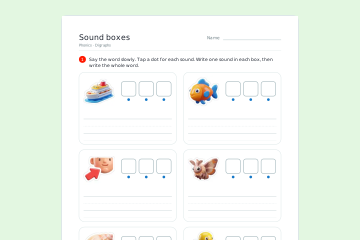
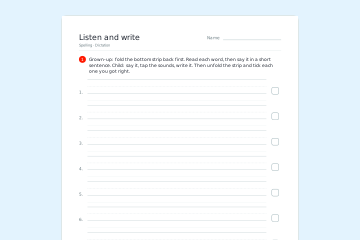
Sound boxes and dictation.
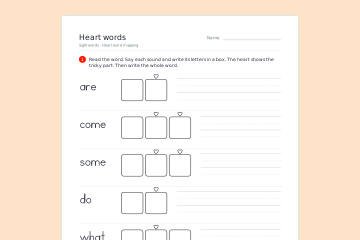
2Tricky words
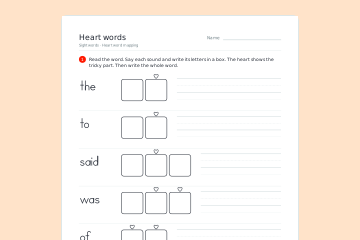
Heart word mapping.
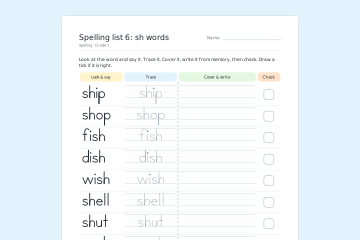
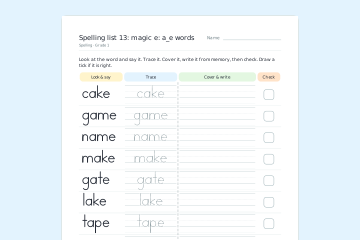
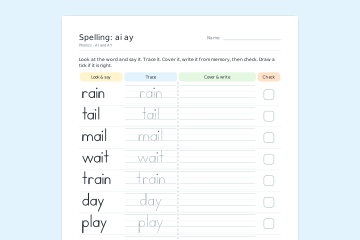
3Patterns
Spelling lists by pattern.
When to ask for help
Ask the teacher if spelling stays very hard after 2nd grade, especially if it does not follow sounds (missing or jumbled sounds) and reading is also hard.
These worksheets are practice materials, not a diagnosis or a treatment. Every child develops at their own pace. If you are worried, talk to your child’s teacher, doctor or a specialist.
Questions
Questions about from sound spelling to correct spelling
Still have questions? Visit our Help Center or get in touch.
Should I let my child spell words wrong?
Related packs
Sources
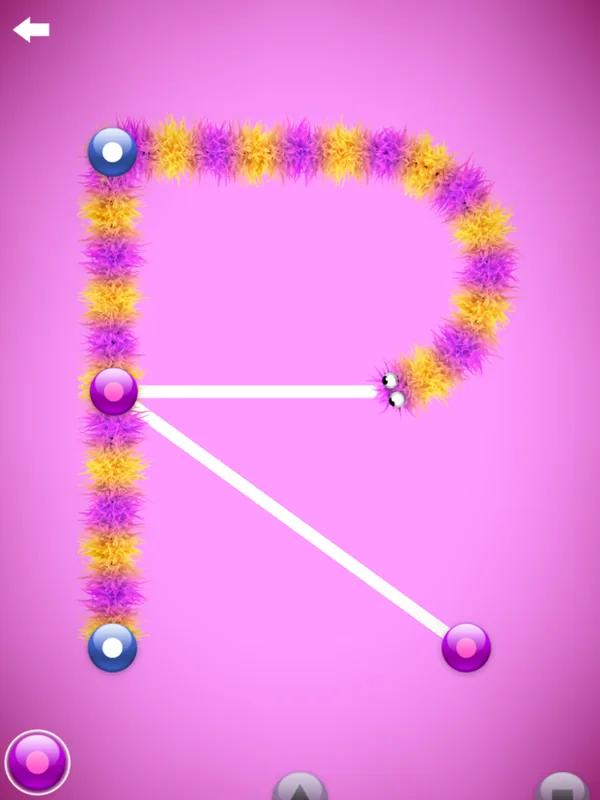
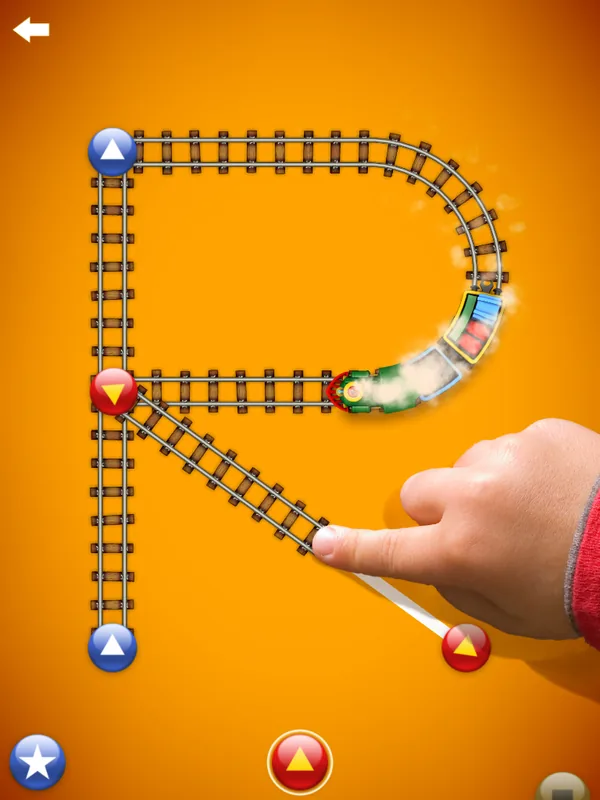
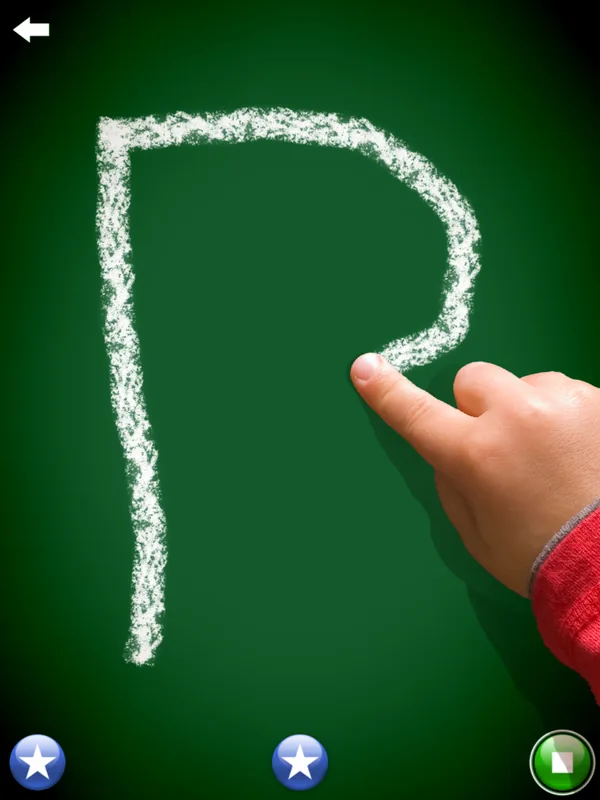
The LetterSchool app
Between worksheets: practise in the app
The same letter shapes as this sheet, with instant feedback on every line, animations and stars. Children play, and learn the right formation.