

When your child reads the words but does not understand
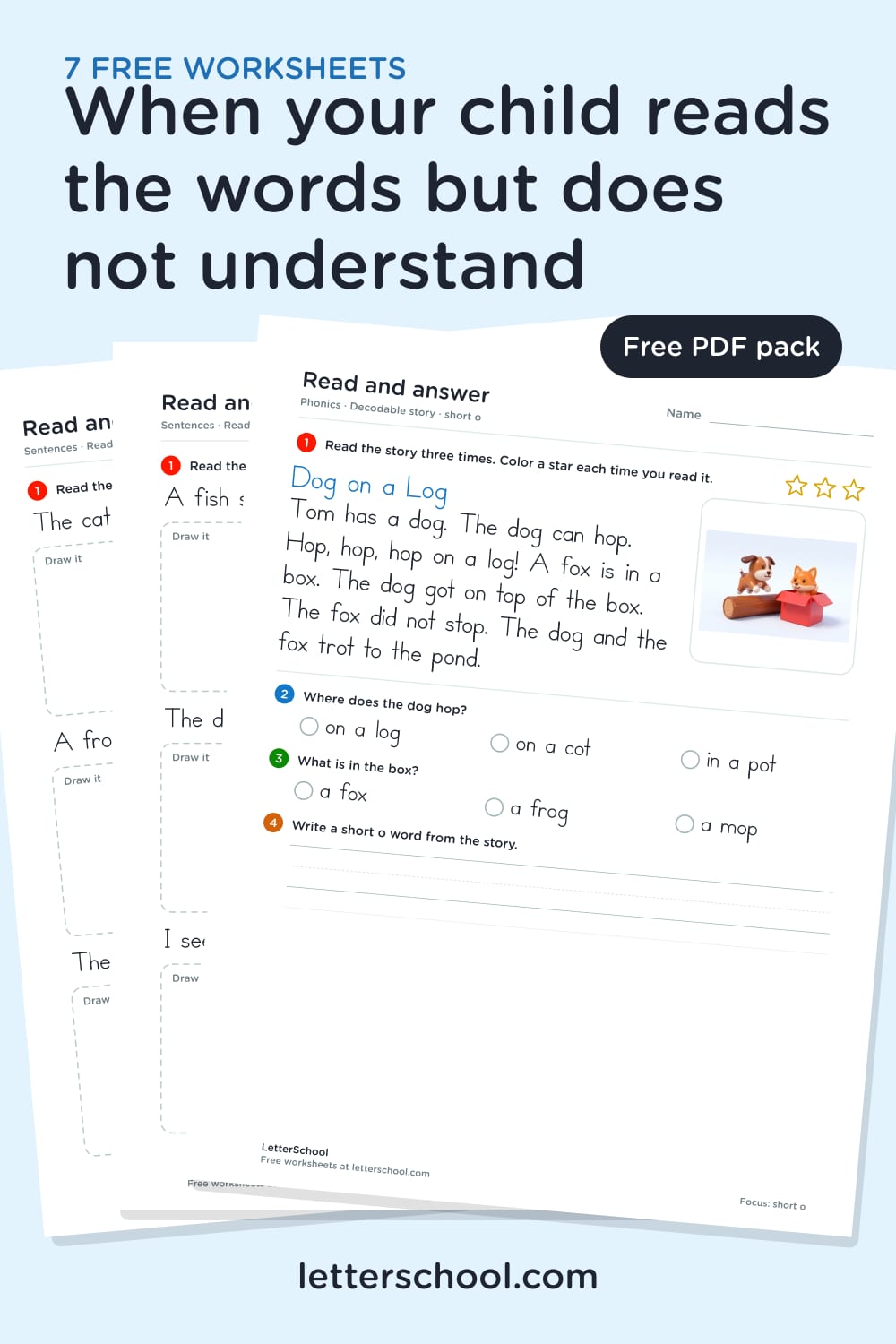
Your child reads the words well but cannot tell you what happened. Understanding needs vocabulary, background knowledge and the habit of thinking while reading.
For: Parents, teachers and therapists of children aged 4 to 8
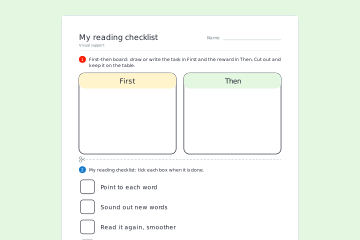
A cover page with the plan, then 7 worksheets in order (8 pages). Free, no sign-up.
Free, no sign-up. US Letter size. Download A4 instead · Open to print
 Save to Pinterest
Why it happens
- When reading words takes all the effort, nothing is left for meaning.
- Some children read quickly but do not stop to picture what they read.
- Unknown words and topics make understanding much harder.
What helps
- After each page, ask: what happened? Who? Where?
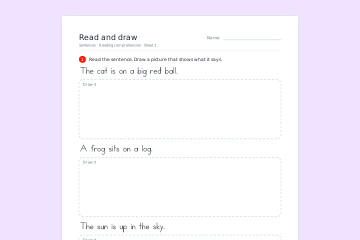
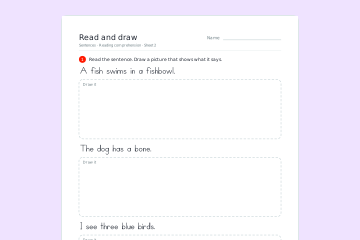
- Draw what the sentence says.
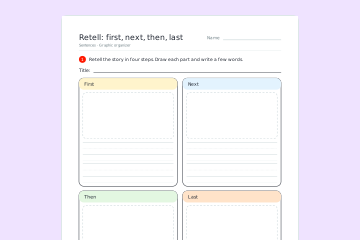
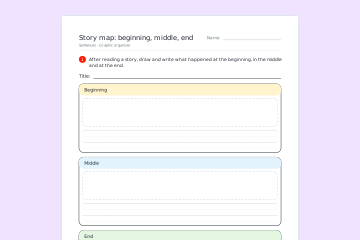
- Retell in order: first, next, then, last.
- Talk about new words.
- Read aloud to your child books above their reading level.
The planstep by step.
1Picture it
Read a sentence and draw it.
2Retell
First, next, then, last.
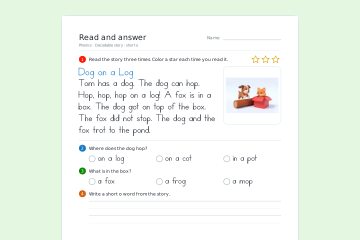
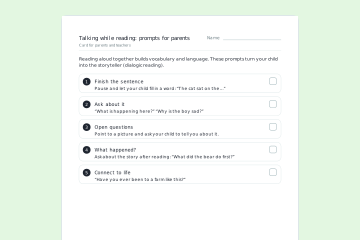
3Talk
Questions to ask while reading together.
When to ask for help
Ask the teacher or a speech and language therapist (speech-language pathologist) if your child also struggles to understand spoken stories and instructions, which can point to a language difficulty.
These worksheets are practice materials, not a diagnosis or a treatment. Every child develops at their own pace. If you are worried, talk to your child’s teacher, doctor or a specialist.
Questions
Questions about reading comprehension
Still have questions? Visit our Help Center or get in touch.
What questions should I ask while reading?
Related packs
Sources


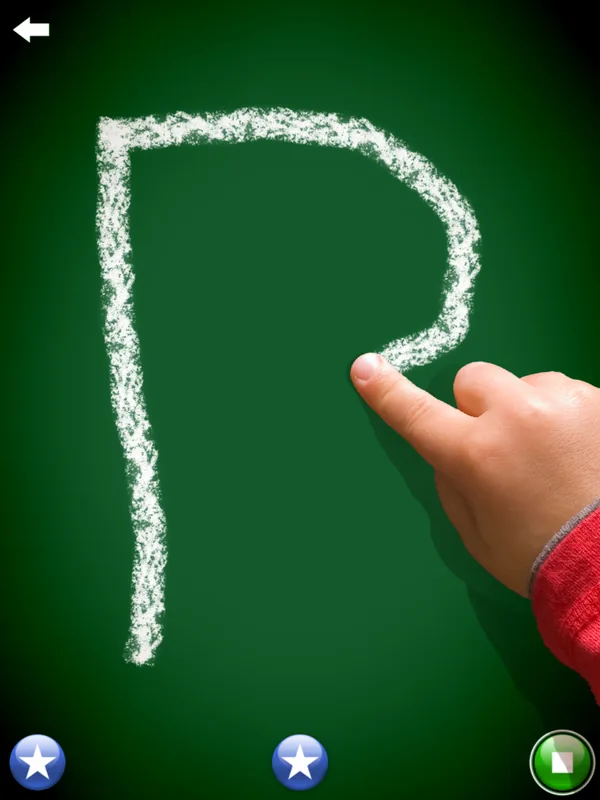
The LetterSchool app
Between worksheets: practise in the app
The same letter shapes as this sheet, with instant feedback on every line, animations and stars. Children play, and learn the right formation.