

Gifted and twice-exceptional children: reading ahead, writing behind
Your child reads far above their age but hates writing, or is very bright and also has a learning difference (twice-exceptional or 2e). The gap between ideas and handwriting can be frustrating.
For: Parents, teachers and therapists of children aged 4 to 8
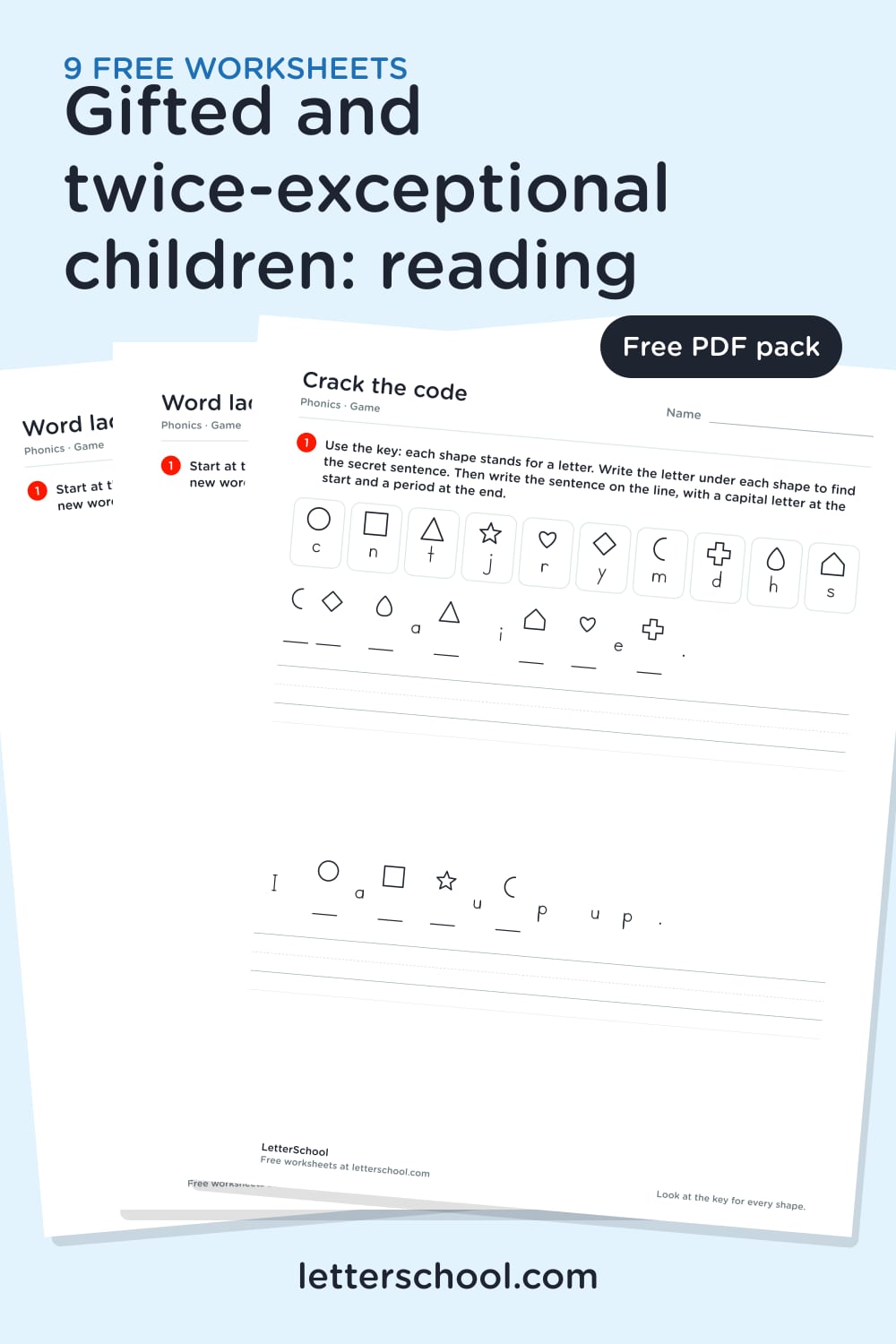
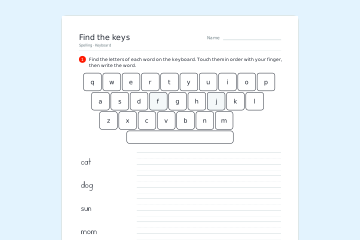
A cover page with the plan, then 9 worksheets in order (10 pages). Free, no sign-up.
Free, no sign-up. US Letter size. Download A4 instead · Open to print
 Save to Pinterest
Why it happens
- Ideas move faster than a young hand can write.
- Some bright children also have dyslexia, dysgraphia, ADHD or are autistic; strengths can hide the difficulty.
- Perfectionism is common.
What helps
- Separate ideas from handwriting: dictate, then write a part, or type.
- Challenge reading with puzzles and word games.
- Short handwriting practice with clear goals.
- Look at both strengths and difficulties.
The planstep by step.
1Challenge
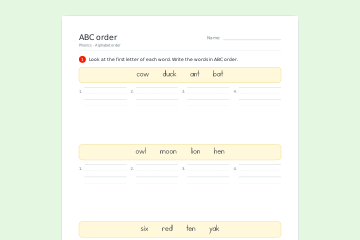
Word ladders and codes.
2Plan big ideas
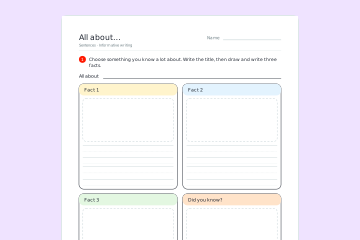
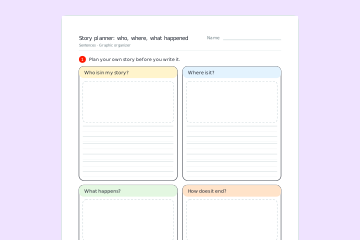
Organizers.
3Writing without fear
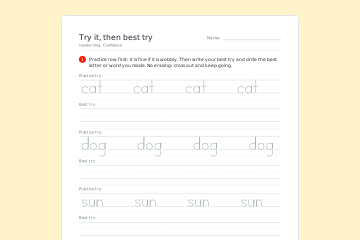
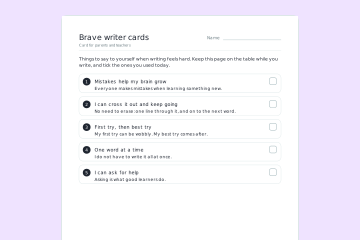
Try it, best try and brave writing.
When to ask for help
Ask for an assessment by an educational psychologist if there is a large gap between your child’s abilities and their written work.
These worksheets are practice materials, not a diagnosis or a treatment. Every child develops at their own pace. If you are worried, talk to your child’s teacher, doctor or a specialist.
What does twice-exceptional mean?
Related packs
Sources
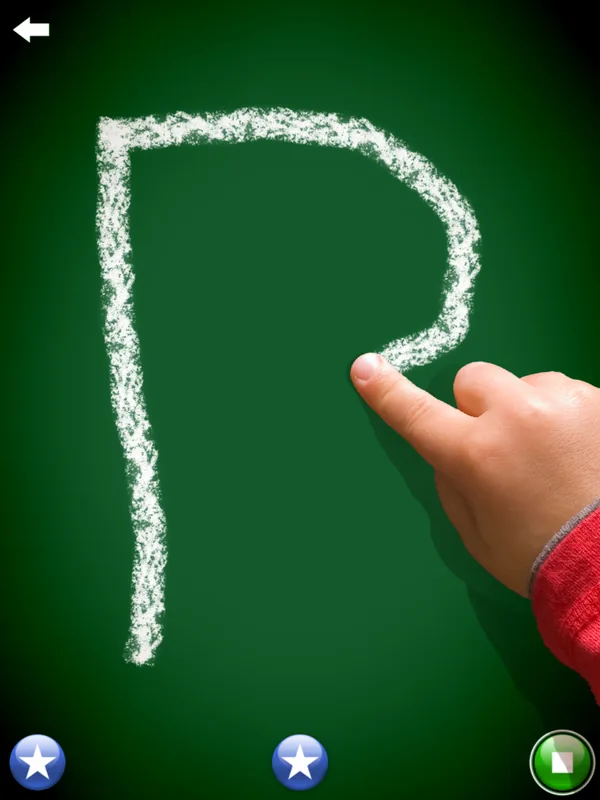
The LetterSchool app
Between worksheets: practise in the app
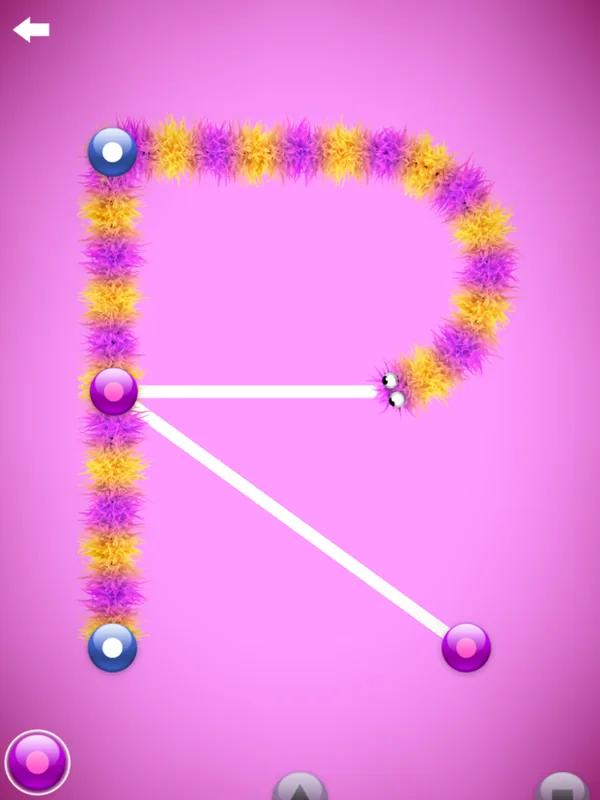
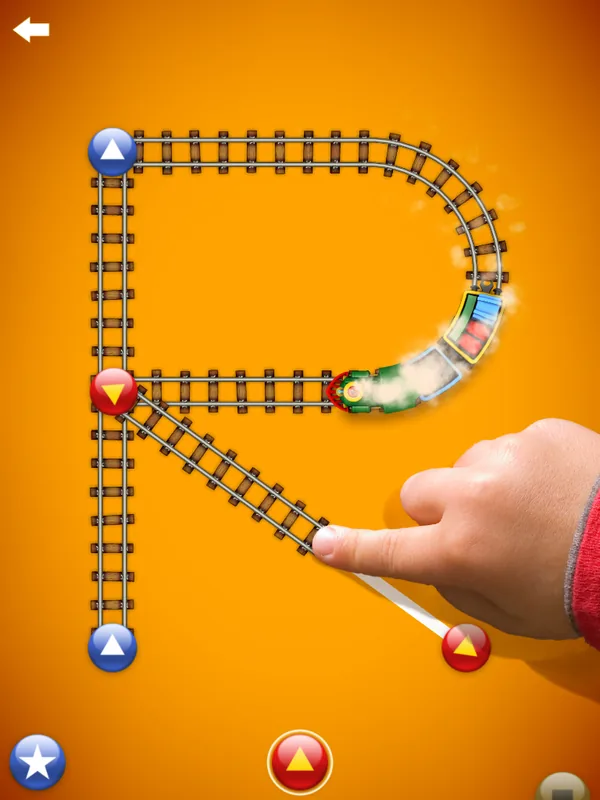
The same letter shapes as this sheet, with instant feedback on every line, animations and stars. Children play, and learn the right formation.